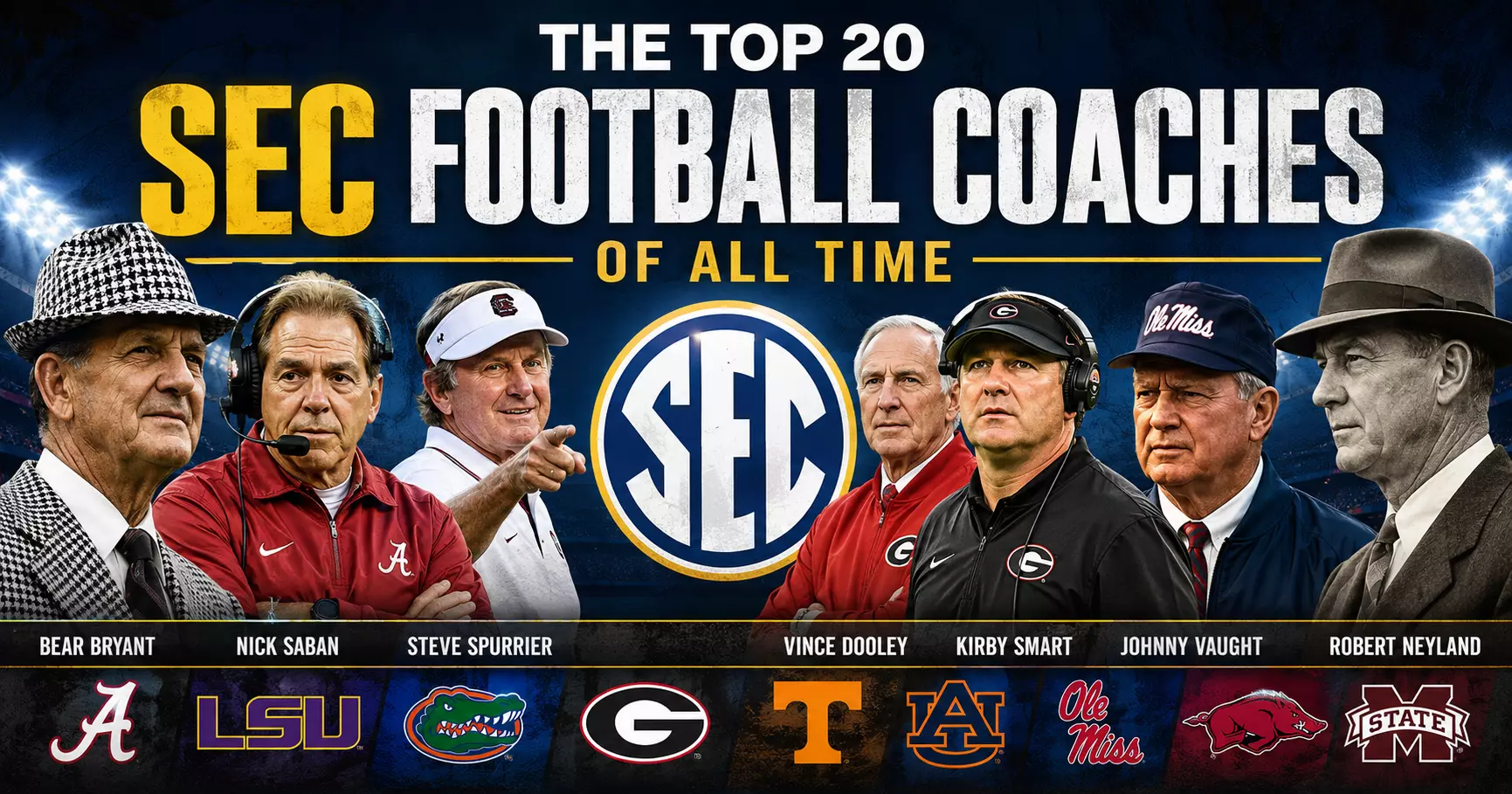
The SEC has produced more legendary football coaches than any conference in America. From Wallace Wade Proving how great SEC Football was.
The Southeastern Conference has long been regarded as the gold standard of college football. Since its formation in 1933, the SEC has produced more national champions, Heisman Trophy winners, Hall of Fame coaches, and NFL talent than any other conference. The league has been home to legendary dynasties, unforgettable rivalries, and some of the most influential figures in the history of the sport.
Ranking the greatest SEC coaches requires more than simply counting wins. National championships, conference titles, longevity, innovation, player development, historical impact, and the ability to build lasting programs all matter. Some coaches revolutionized the game, while others transformed struggling schools into perennial contenders. Every coach on this list left an undeniable mark on the SEC.
Here are the
20 greatest head football coaches in SEC history.
20. Jackie Sherrill – Mississippi State
Jackie Sherrill accomplished something few coaches have ever done—he made Mississippi State nationally relevant. Taking over the Bulldogs in 1991 after successful stints at Pittsburgh and Texas A&M, Sherrill inherited one of the SEC’s most difficult jobs. Mississippi State had rarely challenged the conference’s traditional powers, but Sherrill steadily built the Bulldogs into a
competitive program
that earned national respect.
During his 13 seasons in Starkville, Sherrill compiled a 75-75-2 record, making him one of the winningest coaches in school history. While that record may appear modest compared to others on this list, context is everything. Mississippi State historically struggled to compete with Alabama, Auburn, LSU, Florida, Georgia, and Tennessee, yet Sherrill consistently fielded disciplined, physical teams capable of upsetting anyone in the conference.
His crowning achievement came in 1998 when the Bulldogs won the SEC Western Division and advanced to the inaugural SEC Championship Game. Mississippi State also captured the 1999 Cotton Bowl, its first New Year’s Day bowl victory since the 1941 season. Sherrill recruited and developed future NFL talent while changing expectations within the program. His ability to elevate one of the SEC’s most challenging jobs earns him a deserved place among the conference’s greatest coaches.
Jackie Sherrill inducted into Texas Sports Hall of Fame
19. Mark Richt – Georgia
Mark Richt inherited a Georgia program searching for consistency and left Athens as one of the winningest coaches in school history. Taking over in 2001, Richt immediately restored the Bulldogs to national prominence by combining elite recruiting with disciplined, fundamentally sound football. During his 15 seasons, Georgia became one of the SEC’s most consistent winners.
Richt finished with a 145-51 overall record and a 94-27 mark in SEC play while capturing SEC championships in 2002 and 2005. His Bulldogs won two Sugar Bowls, finished in the national Top 10 seven times, and regularly challenged for conference and national championships during one of the toughest eras in SEC history.
Perhaps Richt’s greatest strength was player development. He coached future NFL stars including Matthew Stafford, A.J. Green, David Pollack, Thomas Davis, Knowshon Moreno, Todd Gurley, and Nick Chubb, while recruiting classes consistently ranked among the nation’s best. Although Georgia fans grew frustrated by near misses in the national championship race, history has been kind to Richt’s accomplishments. He returned Georgia to national relevance after years of inconsistency and left behind a program positioned for Kirby Smart’s championship run. His sustained excellence and remarkable consistency make him one of the finest coaches in SEC history.
Thank You, Coach Richt
18. Wally Butts – Georgia
Few coaches played a larger role in establishing Georgia as a national football power than Wally Butts. Serving as the Bulldogs’ head coach from 1939 to 1960, Butts compiled a remarkable 140-86-7 record while winning four Southeastern Conference championships and leading Georgia to the 1942 national championship. During an era interrupted by World War II, Butts kept the Bulldogs among the nation’s elite and helped create a winning tradition that still defines the program today.
The 1942 team remains one of the greatest in Georgia history. Led by Heisman Trophy winner Frank Sinkwich, the Bulldogs finished 11-1 and claimed the national championship after defeating UCLA in the Rose Bowl. Sinkwich became Georgia’s first Heisman winner and symbolized the explosive offenses Butts developed during his tenure.
Beyond championships, Butts revolutionized offensive football. His passing concepts and route combinations were considered decades ahead of their time and influenced coaches throughout the country. Legendary Green Bay Packers coach Vince Lombardi studied Butts’ offensive system, incorporating many of its principles into his own championship teams.
Although his career ended amid a highly publicized legal battle with
The Saturday Evening Post, Butts ultimately prevailed in court, protecting his reputation. His championships, innovations, and lasting impact on Georgia football make him one of the SEC’s all-time coaching legends.
Wally Butts death + 50: A Look at His Legacy
17. Phillip Fulmer – Tennessee
Phillip Fulmer restored Tennessee to national prominence and delivered one of the Volunteers’ greatest seasons in program history. Promoted to head coach midway through the 1992 season, Fulmer quickly established Tennessee as one of the nation’s elite programs, compiling a stellar 152-52 record over 17 seasons.
His defining achievement came in 1998 when the Volunteers completed a perfect 13-0 season and won the first Bowl Championship Series National Championship. Led by quarterback Tee Martin, linebacker Al Wilson, and future NFL stars Jamal Lewis and Peerless Price, Tennessee defeated Florida State in the Fiesta Bowl to claim the school’s first undisputed national title since 1951.
Fulmer also captured two SEC championships and consistently kept Tennessee among the conference’s elite during one of the strongest eras in SEC history. His teams finished in the national Top 10 eight times and won 10 or more games in nine different seasons. An exceptional recruiter, Fulmer developed numerous All-Americans and first-round NFL Draft picks while maintaining Tennessee’s reputation as one of college football’s flagship programs.
Although his tenure ended amid rising expectations and increased competition from Florida and later Alabama, Fulmer’s accomplishments remain extraordinary. His national championship, remarkable consistency, and more than 150 victories make him one of the greatest coaches ever to lead an SEC program.
Fulmer Pre-Game Speech, 2001, vs Florida.
16. Gene Stallings – Alabama
Gene Stallings returned to his alma mater in 1990 with one mission: restore Alabama football to championship status. After a decade of inconsistency following Bear Bryant’s retirement, Stallings accomplished exactly that, leading the Crimson Tide back to the top of college football. Over seven seasons in Tuscaloosa, he compiled a 70-16-1 record while winning an SEC Championship and the 1992 national championship.
That 1992 team remains one of the greatest defensive squads in SEC history. Alabama finished a perfect 13-0 season by dominating previously unbeaten Miami 34-13 in the Sugar Bowl, ending the Hurricanes’ dynasty and announcing the Crimson Tide’s return to national prominence. Led by future NFL stars George Teague, Antonio Langham, Eric Curry, and John Copeland, Stallings’ defense overwhelmed one of the most explosive offenses college football had ever seen.
Known for his no-nonsense leadership and emphasis on discipline, Stallings built teams that reflected his personality—physical, fundamentally sound, and mentally tough. His players respected him for his honesty and integrity, qualities that extended beyond football. Despite coaching for only seven seasons at Alabama, Stallings restored the championship tradition that Bear Bryant built and helped bridge the gap to the modern dynasty that would later emerge under Nick Saban. His national championship and remarkable winning percentage firmly establish him among the
SEC’s greatest coaches.
Gene Stallings Exclusive Interview
15. Pat Dye – Auburn
No coach did more to elevate Auburn football during the 1980s than Pat Dye. Taking over a struggling program in 1981, Dye inherited an Auburn team living in Alabama’s shadow. Within just a few seasons, he transformed the Tigers into one of the nation’s premier programs and one of the SEC’s most consistent winners.
Dye finished with a 99-39-4 record at Auburn while winning four SEC championships between 1983 and 1989. His teams were known for their physical running game, dominant offensive lines, and aggressive defense, embodying the toughness that became synonymous with Auburn football. The Tigers consistently challenged for national championships during one of the SEC’s most competitive eras.
Perhaps Dye’s greatest achievement came in 1989 when Auburn finally hosted Alabama at Jordan-Hare Stadium for the first time. The Tigers’ dramatic 30-20 victory became known simply as “The First Time Ever” and permanently changed one of college football’s greatest rivalries.
Dye also coached one of the greatest players in SEC history, Bo Jackson, whose 1985 Heisman Trophy season remains one of the most memorable individual campaigns ever produced by a conference player. Although a national championship narrowly eluded him, Dye’s sustained excellence, conference dominance, and role in transforming Auburn into a perennial power make him one of the SEC’s coaching legends.
Auburn Tigers: “Pat Dye Tribute”
14. Paul Dietzel – LSU
Paul Dietzel forever changed LSU football by delivering one of the program’s first national championships and introducing one of the most famous defensive units in college football history. Taking over the Tigers in 1955, Dietzel gradually built LSU into a national powerhouse through discipline, toughness, and outstanding player development.
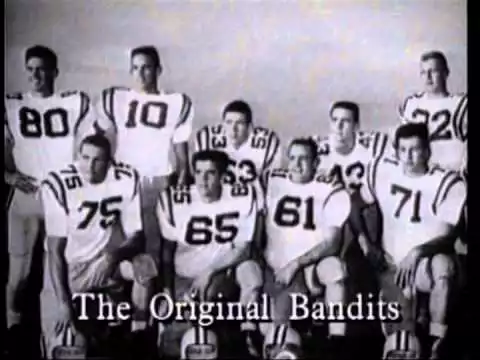
His greatest team came in 1958 when LSU finished 11-0 and claimed the consensus national championship behind a dominant defense known as the “Chinese Bandits.” Rather than relying on one platoon, Dietzel employed separate offensive and defensive units, allowing his defenders to play with relentless intensity throughout every game. The innovation became one of the defining stories of college football during that era.
Dietzel finished his LSU career with a 46-24-3 record while winning two SEC championships and producing one of the greatest seasons in school history. He coached future Heisman Trophy winner Billy Cannon, whose legendary Halloween punt return against Ole Miss remains one of the most iconic plays in college football history. Although his LSU tenure lasted only seven seasons before he departed for Army, his impact on Tiger football remains enormous. His championship, innovation, and role in elevating LSU onto the national stage secure his place on this list.
Remembering Coach Paul Dietzel
13. Frank Thomas – Alabama
Before Bear Bryant turned Alabama into the sport’s greatest dynasty, Frank Thomas laid much of the foundation. Coaching the Crimson Tide from 1931 through 1946, Thomas established Alabama as one of the nation’s elite programs while producing one of the greatest coaching trees in football history.
Thomas compiled a remarkable 115-24-7 record, winning four SEC championships and two consensus national championships in 1934 and 1941. His teams were consistently among the nation’s best, combining disciplined execution with innovative offensive football that helped define the early years of the Southeastern Conference.
Beyond his championships, Thomas’ greatest contribution may have been the coaches he developed. Two of his assistants were Paul “Bear” Bryant and Frank Broyles, who would later become Hall of Fame coaches themselves. Bryant often credited Thomas as one of the most important mentors of his career, carrying many of Thomas’ coaching principles into his own legendary tenure.
Thomas also coached numerous All-Americans while helping establish Alabama as a national recruiting destination long before modern television exposure existed. His emphasis on preparation, fundamentals, and player development became hallmarks of Crimson Tide football for generations.
Although Bryant eventually overshadowed nearly every coach in Alabama history, Frank Thomas deserves recognition as one of the architects of the Crimson Tide tradition. His championships, extraordinary winning percentage, and lasting influence on college football place him securely among the greatest coaches in SEC history.
CFBHoF Member Coach Frank Thomas
12. Charlie McClendon – LSU
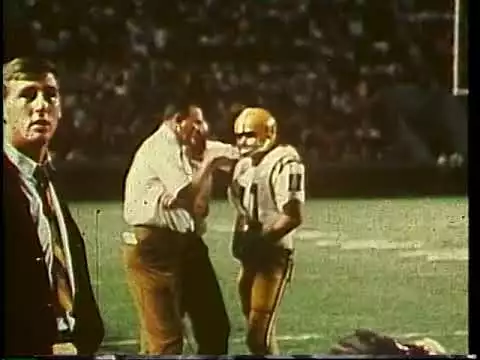
Few coaches embodied LSU football quite like Charlie McClendon. A former Tiger player under Bernie Moore, “Mac” returned home in 1962 and spent nearly two decades building one of the SEC’s most respected programs. His loyalty, consistency, and ability to recruit Louisiana’s rich high school talent made LSU a perennial contender throughout the 1960s and 1970s.
McClendon compiled a 137-59-7 record over 18 seasons, making him one of the winningest coaches in school history. His teams captured two SEC championships and appeared in 13 bowl games, an impressive accomplishment during an era when postseason invitations were far more limited than they are today.
Perhaps McClendon’s greatest strength was his consistency. LSU rarely experienced down years under his leadership, finishing in the national rankings multiple times while producing numerous All-Americans and NFL stars. He coached legendary players including Bert Jones, Tommy Casanova, and Charles Alexander, helping establish LSU as one of the nation’s premier talent-producing programs.
Although a national championship eluded him, McClendon’s sustained excellence over nearly two decades helped bridge the gap between the Paul Dietzel era and LSU’s modern rise to national prominence. His remarkable longevity, winning tradition, and deep connection to LSU football make him one of the SEC’s most respected coaching legends.
LSU Football Highlights (1968 & 1970)
11. Urban Meyer – Florida
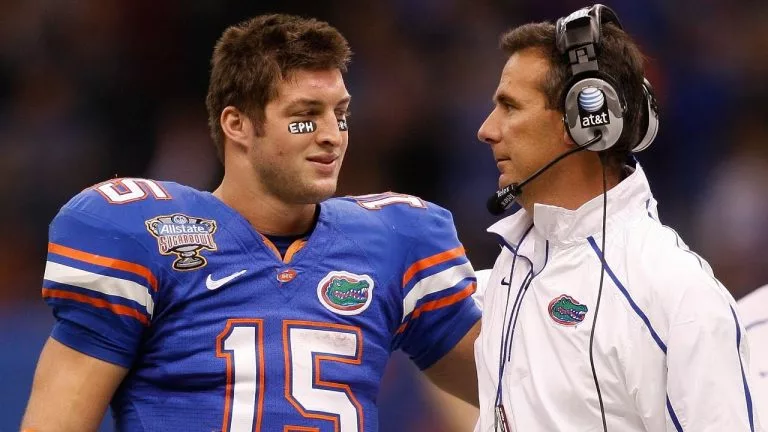
Urban Meyer deserves a place among the top 20 SEC football coaches of all time because of the remarkable success he achieved during his six seasons at Florida. Taking over the Gators in 2005, Meyer immediately turned Florida into one of the nation’s premier programs, compiling a stellar 65-15 record while winning two BCS National Championships in 2006 and 2008 and capturing two SEC Championships.
His spread-option offense revolutionized SEC football, forcing defensive coordinators across the conference to rethink how they defended elite speed and athletic quarterbacks. Led by Heisman Trophy winner Tim Tebow, Meyer’s teams combined explosive offense with aggressive, championship-caliber defense, producing one of the most dominant stretches in Florida history. His 2008 team is widely regarded as one of the greatest in college football history after defeating top-ranked Alabama in the SEC Championship Game before dominating Oklahoma for the national title. Although his SEC tenure was relatively brief, Meyer won at an extraordinary level, posting an .813 winning percentage while helping usher in a new era of offensive innovation throughout the conference.
The Roller Coaster Story Of The 2008-2010 Florida Gators | ESPN Stories
10. Shug Jordan – Auburn
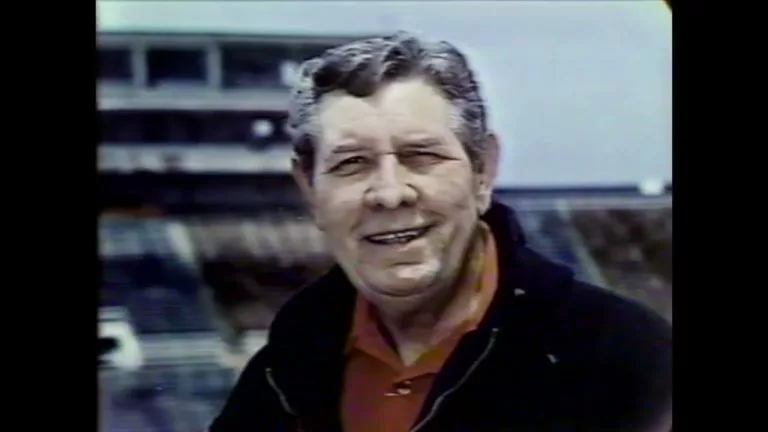
Few names are more closely associated with Auburn football than Ralph “Shug” Jordan. A former Auburn player, Jordan returned to his alma mater in 1951 and spent the next 25 years transforming the Tigers into one of the SEC’s premier programs. By the time he retired following the 1975 season, he had become the winningest coach in school history with a 176-83-6 record.
Jordan guided Auburn to four SEC championships and captured the 1957 national championship behind one of the greatest defensive teams in college football history. Led by quarterback Jimmy Cook and a suffocating defense, the Tigers finished 10-0 and were recognized as national champions by the Associated Press despite being ineligible for postseason play because of conference probation.
Jordan’s teams were known for toughness, discipline, and outstanding defense. His players consistently reflected his blue-collar philosophy, earning Auburn a reputation as one of the nation’s most physical programs. Beyond the victories, Jordan became the face of Auburn athletics, helping elevate the school’s national profile during an era dominated by Alabama, Ole Miss, and LSU.
Today, Auburn’s home stadium proudly bears his name, a fitting tribute to the man who built modern Auburn football. His longevity, championships, and unmatched influence on the program secure his place among the SEC’s greatest coaches.
1980 Tribute To Shug Jordan
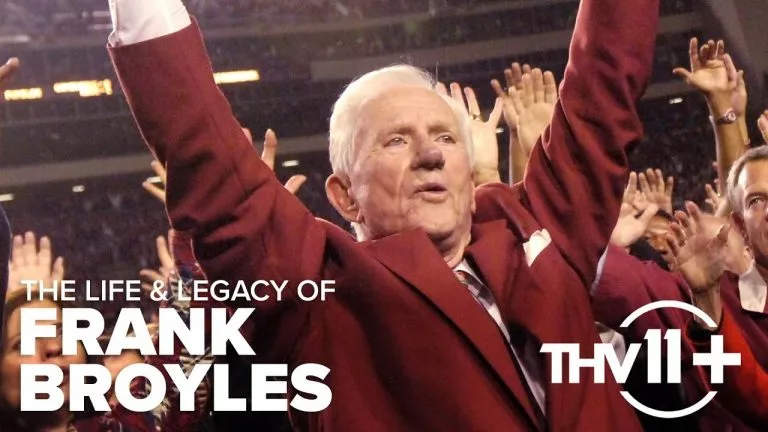
9. Frank Broyles – Arkansas
Frank Broyles is synonymous with
Arkansas football. During his 19 seasons as head coach from 1958 through 1976, he transformed the Razorbacks into one of the nation’s elite programs and built a foundation that continues to influence the university today. Broyles compiled a remarkable 144-58-5 record while winning seven Southwest Conference championships and leading Arkansas to 10 bowl games.
Although Arkansas was not yet an SEC member during Broyles’ coaching career, his influence on the program cannot be ignored when discussing the conference’s greatest coaches. The Razorbacks entered the SEC in 1992 largely because Broyles, then serving as athletic director, positioned the university for long-term success. His vision helped reshape the conference itself by adding one of college football’s proudest programs.
Broyles’ greatest team came in 1964 when Arkansas finished a perfect 11-0 and claimed the national championship after defeating Nebraska in the Cotton Bowl. His coaching tree also became legendary, producing future Hall of Fame coaches such as Joe Gibbs, Jimmy Johnson, Hayden Fry, Johnny Majors, and Barry Switzer. Few men have influenced college football more profoundly than Broyles, whose impact extends well beyond his remarkable record on the sidelines.
The life and legacy of Frank Broyles | THV11 Archives
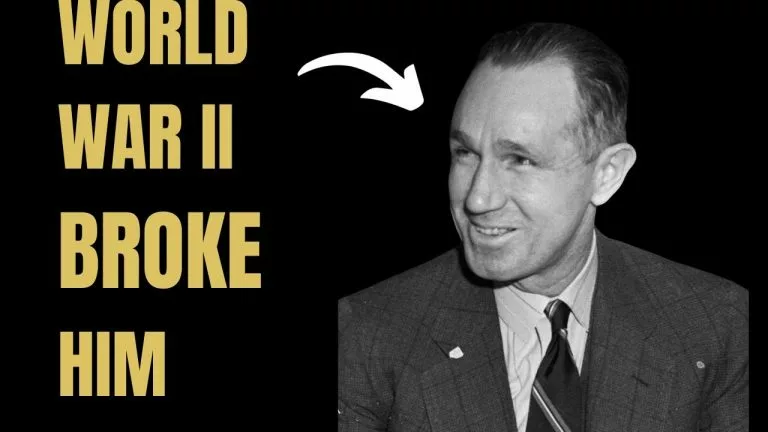
8. Wallace Wade – Alabama
Before Bear Bryant made Alabama the gold standard of college football, Wallace Wade established the Crimson Tide as a national powerhouse. Serving as Alabama’s head coach from 1923 through 1930, Wade transformed the program from a respected Southern school into one of the nation’s elite. His teams compiled a remarkable 61-13-3 record while winning four Southern Conference championships and claiming three consensus national championships in 1925, 1926, and 1930.
Wade’s greatest achievement came during the 1925 season when Alabama defeated heavily favored Washington 20-19 in the Rose Bowl. That victory is widely considered one of the most important games in college football history because it proved that Southern football could compete with—and defeat—the traditional powers from the North and West. It forever changed the national perception of football in the South and laid the groundwork for the SEC’s eventual dominance.
Known for his disciplined coaching style and innovative defensive schemes, Wade produced numerous All-Americans and built Alabama’s first true dynasty. After leaving Tuscaloosa, he enjoyed another Hall of Fame career at Duke, but his legacy at Alabama remains enormous. Without Wallace Wade, there may never have been a Bear Bryant dynasty. His championships, national influence, and role in elevating Southern football make him one of the SEC’s greatest coaches.
From Rose Bowls to Battlefields: The Wallace Wade Story
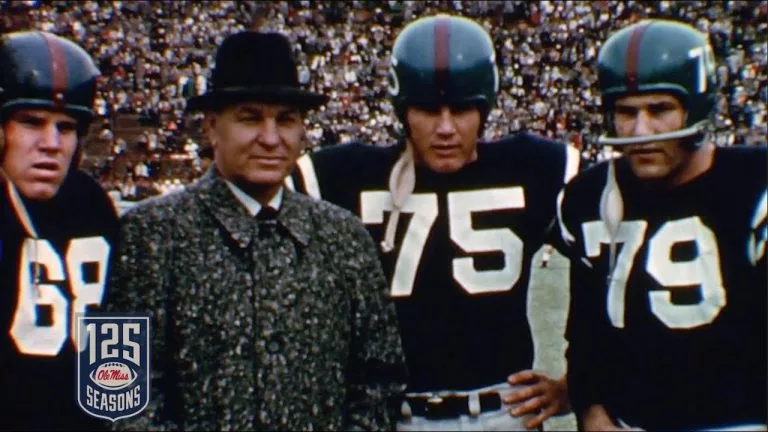
7. Johnny Vaught – Ole Miss
No coach has ever meant more to Ole Miss football than Johnny Vaught. During 25 seasons in Oxford between 1947 and 1973, Vaught built one of the greatest dynasties in SEC history, transforming the Rebels into a national power that consistently challenged the conference’s traditional heavyweights.
Vaught finished with a phenomenal 190-61-12 record while winning six SEC championships and three recognized national championships (1959, 1960, and 1962). His teams finished in the national Top 10 an incredible 15 times and captured 10 bowl victories during an era when postseason opportunities were far more limited than they are today.
The Rebels were particularly dominant between 1959 and 1962, compiling a remarkable 39-3-1 record behind legendary players such as Jake Gibbs, Charlie Conerly, Glynn Griffing, and All-American quarterback Doug Elmore. Vaught’s teams became known for their balanced offenses, disciplined defenses, and ability to perform in the biggest games.
Beyond the victories, Vaught elevated Ole Miss into one of college football’s most recognizable brands. His success helped establish the Rebels as one of the SEC’s flagship programs during the conference’s formative decades. Today, Vaught-Hemingway Stadium stands as a lasting reminder of the man who built Ole Miss football. His championships, longevity, and remarkable consistency secure his place among the conference’s greatest coaching legends.
Ole Miss Football – 125 Season Trailer
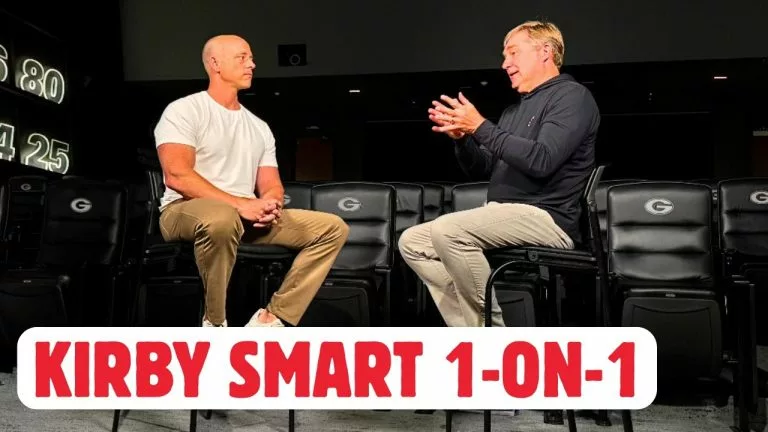
6. Kirby Smart – Georgia
Kirby Smart has accomplished something many believed impossible—he has returned Georgia football to the dominant level it enjoyed under Vince Dooley while building a dynasty capable of rivaling Alabama’s greatest years. Since taking over his alma mater in 2016, Smart has elevated the Bulldogs into the premier program of modern college football.
Entering the 2026 season, Smart has compiled well over 100 victories while winning three national championships (2021, 2022, and 2025), multiple SEC championships, and producing one of the greatest sustained runs in conference history. His Bulldogs have consistently ranked at or near No. 1 nationally while dominating recruiting, player development, and NFL Draft production.
Smart’s greatest strength has been building complete football teams. Georgia has excelled on both sides of the ball, producing elite defenses, explosive offenses, and championship-caliber special teams. His recruiting classes have regularly ranked among the nation’s best, allowing the Bulldogs to maintain championship-level depth despite significant NFL departures every offseason.
Perhaps most impressively, Smart ended Georgia’s 41-year national championship drought before immediately winning another title and later adding a third, firmly establishing the Bulldogs as college football’s newest dynasty. While his coaching career is still unfolding, his résumé already compares favorably with many Hall of Fame legends. If he continues coaching at this level for another decade, there is a legitimate argument that he could eventually challenge Bear Bryant and Nick Saban for the title of greatest SEC coach of all time. Today, he has already earned his place among the conference’s immortals.
Kirby Smart Joins Josh Pate – Pate State Speaker Series
5. Vince Dooley – Georgia
Few coaches are as closely identified with one university as Vince Dooley is with Georgia. Taking over the Bulldogs in 1964 at just 31 years old, Dooley spent the next 25 seasons transforming Georgia into one of the premier programs in college football. When he retired following the 1988 season, he had compiled a remarkable 201-77-10 record, becoming the first coach in school history to surpass 200 victories.
Dooley’s defining accomplishment came during the magical 1980 season when Georgia completed a perfect 12-0 campaign and captured the national championship behind freshman sensation Herschel Walker. That team remains one of the greatest in SEC history, defeating Notre Dame in the Sugar Bowl to secure the Bulldogs’ first national title since 1942. Walker would go on to win the 1982 Heisman Trophy while becoming one of the greatest players in college football history.
Overall, Dooley won six SEC championships and led Georgia to 20 bowl appearances, including four Sugar Bowl victories. His teams were consistently disciplined, fundamentally sound, and built around outstanding defense and a powerful running game. Beyond the victories, Dooley represented integrity and class, becoming one of the SEC’s most respected ambassadors. After coaching, he served as Georgia’s athletic director, overseeing one of the nation’s most successful athletic departments. His combination of championships, longevity, and leadership make him one of the greatest coaches in SEC history.
Remembering Vince Dooley
4. Robert Neyland – Tennessee
If any coach can challenge Bear Bryant as the greatest builder of a football program in the South, it is General Robert Neyland. Coaching Tennessee between 1926 and 1952—with interruptions for military service during World War II—Neyland established the Volunteers as one of college football’s dominant powers.
His record of 173-31-12 remains one of the most impressive in the sport’s history. Neyland won seven SEC championships and four recognized national championships while producing some of the greatest defensive teams ever assembled. His 1939 Volunteers remain the only team in college football history to complete an entire regular season without allowing a single point. Tennessee outscored opponents 212-0 before finally surrendering points in the Rose Bowl.
Neyland was also one of football’s greatest innovators. His famous “Seven Game Maxims” became required reading for generations of coaches and emphasized discipline, field position, mistake-free football, and relentless physical play. Those principles continue to influence coaching philosophy nearly a century later.
The stadium that bears his name is a fitting tribute to his impact. Neyland Stadium stands as one of college football’s cathedrals because of the man who built Tennessee into a national power. His championships, innovation, extraordinary winning percentage, and lasting influence on the game place him firmly among the four greatest coaches in SEC history.
General Neyland: The Winning Edge | Documentary
3. Steve Spurrier – Florida
No coach changed the modern SEC more than Steve Spurrier. When he returned to Florida in 1990, the Gators had never won an official SEC football championship despite decades of success. Within six seasons, Spurrier had transformed Florida into the conference’s premier program while revolutionizing offensive football in the process.
Spurrier finished his Florida career with a remarkable 122-27-1 record, winning six SEC championships and the 1996 national championship. His “Fun ‘n’ Gun” offense completely changed how football was played in the SEC. At a time when the conference was known for conservative, run-first offenses, Spurrier spread the field, attacked through the air, and forced opposing defenses to adapt.
His teams dominated throughout the 1990s, producing Heisman Trophy winner Danny Wuerffel while consistently finishing among the nation’s elite. Spurrier later proved his coaching brilliance by taking over South Carolina and leading the Gamecocks to the greatest run in school history, winning three consecutive 11-game seasons and the 2010 SEC Eastern Division title.
What separates Spurrier from many coaching legends is that he succeeded at two different SEC schools. He not only built Florida into a national champion but also elevated South Carolina beyond anything the program had previously achieved. His innovation, championships, wit, and unmatched confidence forever changed the SEC, making him one of the conference’s true icons.
SEC Storied: The Believer
2. Nick Saban – LSU and Alabama
No coach has dominated modern college football the way Nick Saban did. His career in the SEC produced a level of sustained excellence that may never be duplicated. Saban first proved his greatness at LSU, leading the Tigers to the 2003 national championship and two SEC titles before departing for the NFL.
His return to the SEC at Alabama in 2007 changed college football forever.
Over the next 17 seasons, Saban built arguably the greatest dynasty of the modern era. He won six national championships at Alabama, captured nine SEC championships between LSU and Alabama, and consistently fielded teams that set the standard for recruiting, player development, and championship football. Under his leadership, Alabama produced dozens of first-round NFL Draft picks, multiple Heisman Trophy winners, and countless All-Americans.
Saban’s greatest strength was adaptability. While many legendary coaches remained tied to one style of football, Saban evolved with the game. His early championship teams relied on dominant defense and powerful rushing attacks, while his later teams embraced explosive offenses led by elite quarterbacks such as Tua Tagovailoa, Mac Jones, Bryce Young, and Jalen Hurts.
His career record of 292-71-1, seven
national championships, and unmatched consistency place him among the greatest coaches in college football history. Only one man ranks ahead of him on this list.
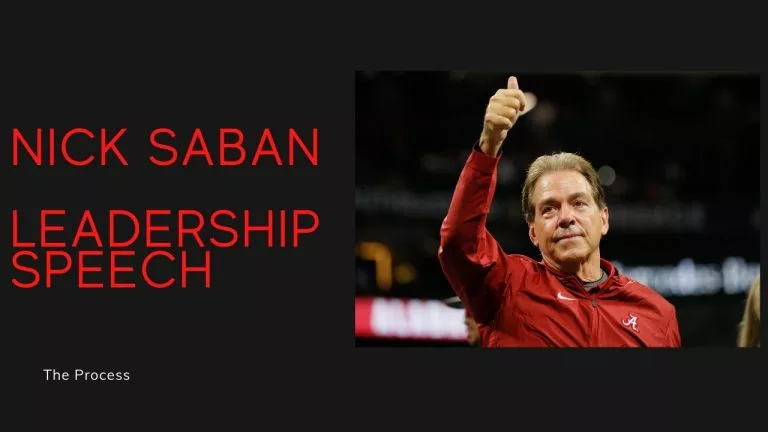
The Ultimate Nick Saban Leadership Speech
1. Bear Bryant – Alabama
Bear Bryant is the standard by which every SEC football coach is measured.
Over 25 seasons at Alabama, Bryant built the most iconic dynasty in college football history. He compiled a staggering 232-46-9 record with the Crimson Tide, winning six national championships and 13 SEC championships while becoming the winningest coach in major college football history at the time of his retirement.
Bryant’s greatness wasn’t simply about winning—it was about winning across multiple generations. His first national championship came in 1961, and his last arrived in 1979, nearly two decades later. He adapted to rule changes, evolving offensive philosophies, scholarship limitations, and dramatic shifts in the college football landscape while remaining the sport’s dominant figure.
His influence extended far beyond Tuscaloosa. Bryant helped integrate Alabama football by recruiting Wilbur Jackson, the school’s first Black scholarship player, helping transform both the university and the SEC during one of the most significant periods in Southern history. His legendary leadership, motivational skills, and relentless pursuit of excellence became the blueprint for generations of coaches who followed.
Bryant also coached countless All-Americans, developed future Hall of Fame coaches, and built Alabama into the nation’s premier football brand. Even Nick Saban, whose championship total surpassed Bryant’s at Alabama, often acknowledged the foundation Bryant established decades earlier.
Every great SEC coach has left a lasting legacy. Some revolutionized offenses. Others built dynasties or transformed struggling programs into national powers. But no one shaped the identity of SEC football more profoundly than Paul “Bear” Bryant.
He wasn’t just Alabama’s greatest coach.
He remains the greatest coach in the history of the Southeastern Conference.
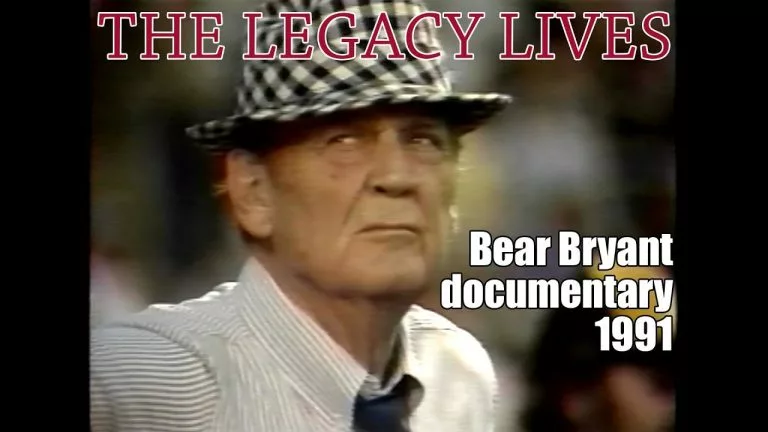
Bear Bryant documentary 1991 – The Legacy Lives (VHS)
Conclusion
The SEC has produced more legendary football coaches than any conference in America. From Wallace Wade proving Southern football could compete on the national stage to Robert Neyland building Tennessee into a powerhouse, from Johnny Vaught’s Ole Miss dynasty to Steve Spurrier’s offensive revolution and Nick Saban’s modern dynasty, every era has been defined by extraordinary leadership.
What makes these coaches special isn’t simply the championships they won, but the programs they built and the standards they established. Many changed the way football was played. Others changed the perception of entire universities. Together, they transformed the SEC into college football’s premier conference.
The league’s history is filled with icons, but one man still stands above the rest. Bear Bryant’s combination of championships, longevity, innovation, leadership, and influence remains unmatched. More than four decades after coaching his final game, his name is still synonymous with excellence.
Until someone can match not only his résumé but also his lasting impact on the conference, Paul “Bear” Bryant remains the greatest head football coach in SEC history.
Up To $1500 in Bonus Bets Paid Back if your First Bet Does Not Win
T&Cs apply
4.5/5
Gambling problem? Call 1-800-GAMBLER or 1-800-MY-RESET (Available in the US) 877-8-HOPENY or text HOPENY (467369) (NY) 1-800-327-5050 (MA), 1-800-BETS-OFF (IA), 1-800-981-0023 (PR). 21+ only. Please Gamble Responsibly. See BetMGM.com for Terms. First Bet Offer for new customers only (if applicable). Subject to eligibility requirements. Bonus bets are non-withdrawable. In partnership with Kansas Crossing Casino and Hotel. Promotional offers not available in Mississippi, Massachusetts, New York, Ontario, or Puerto Rico.
New DraftKings Customers: Spend $5+ Get $150 in Bonuses
T&Cs apply
4.5/5
GAMBLING PROBLEM? CALL 1-800-GAMBLER or 1-800-MY-RESET, (800) 327-5050 or visit gamblinghelplinema.org (MA). Please Gamble Responsibly. 888-789-7777/visit ccpg.org (CT), or visit www.mdgamblinghelp.org (MD), 1-800-981-0023 (PR). 21+ and present in most states. (18+ DC/NH/PR/WY). Void in CAN. Eligibility restrictions apply. On behalf of Boot Hill Casino (KS). Pass-thru of per wager tax may apply in IL. 1 per new DraftKings customer. $5+ first-time bet req. Max. $150 issued as non-withdrawable Bonus Bets. Stake removed from payout. Reward issued as $50 in Bonus Bets every 7 days via click-to-claim for 14 days. Bonus Bets and click-to-claims expire 7 days (168hrs) after issuance. Terms: sportsbook.draftkings.com/promos. Ends 10/11/26 at 11:59 PM ET. Sponsored by DK.
Must be 21+. GAMBLING PROBLEM? CALL 1-800-GAMBLER OR CALL 1-800-MY-RESET, www.mdgamblinghelp.org (MD), (800)-327-5050 or gamblinghelplinema.org (MA), Call (877)8-HOPENY or text HOPENY (467369) (NY), (888) 789-7777 or ccpg.org (CT), morethanagame.nc.gov (NC), 1800gambler.net (WV)
Bet $1 and get double the winnings up to $25 for your next 10 bets
T&Cs apply
4.4/5
21+ New users only. Must register using eligible promo code. First bet after registration must qualify. Max. Bonus Bet: $1,000. Bonus Bet expires 14 days after receipt. Void where prohibited. See Caesars.com/promos for full terms. Gambling Problem? 1-800-GAMBLER (1-800-426-2537)
21+ and present in OH. Gambling Problem? Call 1-800-GAMBLER.
This site is using
Cloudflare
and adheres to the
Google Safe Browsing Program. We adapted
Google's Privacy Guidelines
to keep your data safe at all times.
Close
Ready to Win Big? Join the Elite with Our Sports Betting Deals!
FanDuel Promo
New Users – Get $250 in Bonus Bets when you wager $5 for 5 days
Up To $1500 in Bonus Bets Paid Back if your First Bet Does Not Win
Best Slots
T&Cs and 21+ apply
Gambling problem? Call 1-800-GAMBLER or 1-800-MY-RESET (Available in the US) 877-8-HOPENY or text HOPENY (467369) (NY) 1-800-327-5050 (MA), 1-800-BETS-OFF (IA), 1-800-981-0023 (PR). 21+ only. Please Gamble Responsibly. See BetMGM.com for Terms. First Bet Offer for new customers only (if applicable). Subject to eligibility requirements. Bonus bets are non-withdrawable. In partnership with Kansas Crossing Casino and Hotel. Promotional offers not available in Mississippi, Massachusetts, New York, Ontario, or Puerto Rico.
Code:
Open BetMGM
Get Bonus
DraftKings Promo
New DraftKings Customers: Spend $5+ Get $150 in Bonuses
Newcomer
T&Cs and 21+ apply
GAMBLING PROBLEM? CALL 1-800-GAMBLER or 1-800-MY-RESET, (800) 327-5050 or visit gamblinghelplinema.org (MA). Please Gamble Responsibly. 888-789-7777/visit ccpg.org (CT), or visit www.mdgamblinghelp.org (MD), 1-800-981-0023 (PR). 21+ and present in most states. (18+ DC/NH/PR/WY). Void in CAN. Eligibility restrictions apply. On behalf of Boot Hill Casino (KS). Pass-thru of per wager tax may apply in IL. 1 per new DraftKings customer. $5+ first-time bet req. Max. $150 issued as non-withdrawable Bonus Bets. Stake removed from payout. Reward issued as $50 in Bonus Bets every 7 days via click-to-claim for 14 days. Bonus Bets and click-to-claims expire 7 days (168hrs) after issuance. Terms: sportsbook.draftkings.com/promos. Ends 10/11/26 at 11:59 PM ET. Sponsored by DK.
Code:
Open DraftKings
Get Bonus
Find out what the legends have to say about sports this week....