Cryptocurrency never stands still, and neither do Polymarket crypto markets. From headline-grabbing Bitcoin targets to major altcoin announcements, the innovative platform gives users a completely different way to get involved in the industry by trading contracts linked to real-world events.
If you’re wondering how it all works, we’re here to help you decipher it all. Take a few moments and join us as we delve into how trading plays out, how probabilities are priced, and the key things you should know before opening your first position. Read on to know more.
Getting to know Polymarket’s crypto markets
Newbie to prediction markets? Don’t worry, as it’s surprisingly easy to get your head around. Instead of buying or selling crypto directly, Polymarket lets you trade contracts tied to future crypto events, essentially putting a price on whether something will or won’t happen.
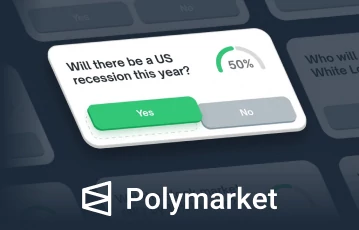
Each market revolves around a straightforward Yes or No question, with contract prices moving in real time as traders react to news, data, and shifting sentiment. Rather than making isolated predictions, you’re actually trading alongside thousands of other participants who are constantly re-pricing the probability of an outcome as things develop.
Which cryptocurrency markets can you trade on Polymarket?
Now that we’ve got the basics out of the way, let’s take you on a quick whistlestop tour through what you’ll actually find once you head over to Polymarket’s crypto hub.
If you follow the crypto space online, you’ll probably notice that
Polymarket Bitcoin
markets have generated lots of attention, but they’re only one part of a much broader ecosystem that literally includes everything from Ethereum price targets to major regulatory decisions.
While the lineup is constantly evolving, the table below highlights the types of cryptocurrency markets you’re most likely to encounter.
| Market type | Popular example |
| Bitcoin markets | Will Bitcoin reach a specific price by a certain date? |
| Ethereum markets | Will ETH hit a new price milestone? |
| Altcoin markets | Price targets and major blockchain developments. |
| ETF markets | Will a cryptocurrency ETF receive regulatory approval? |
| Regulatory markets | Will new crypto legislation or policy changes take effect? |
| Token launches | Will a project launch before a set deadline? |
| Industry milestones | Major adoption, market cap and wider blockchain events. |
But how do Polymarket crypto markets work?
Before we get stuck into how to place your first trade, it’s worth taking a moment to first understand what keeps these markets moving in the first place. Unlike a traditional crypto exchange where you’re basically buying and selling digital assets, Polymarket revolves around trading the probability of a specific cryptocurrency event taking place.
As we covered above, every market is built around a simple Yes or No question, with contract prices changing all the time as traders respond to breaking news, market sentiment, and fresh developments across the wider crypto industry.
This info about some of the mechanisms should help give you a clearer picture:
- Every contract is priced between $0 and $1: This represents the market’s current estimate of how likely an event is to happen.
- Buying a Yes contract: This means you believe the probability is higher than the current market price suggests.
- Buying a No contract: Essentially means you think the market has overestimated the likelihood of that outcome.
- Prices constantly move: As traders buy and sell contracts, meaning probabilities can change within minutes if major news breaks.
- Positions can be closed before the market resolves: This allows traders to react as events unfold rather than waiting until the outcome is confirmed.
In a nutshell, instead of trying to predict exactly where BTC, ETH, or another token will trade next, you’re assessing whether the market has correctly priced the likelihood of a clearly defined event. It’s this constantly shifting balance of opinion that makes Polymarket hugely popular and its crypto markets so exciting to follow.
![polymarket pro contra]()
Join Polymarket and start predicting today!
![polymarket pbt crypto]()
Trade various crypto assests at Polymarket with ease
How to trade cryptocurrency events on Polymarket
Now that you know how Polymarket crypto markets work, you’ll find that opening a position on the platform doesn’t take long at all. Just follow these quick and easy steps:
-
Create your Polymarket account:
First up, head on over to Polymarket and sign up using your preferred method. Depending on your account setup, you’ll also need to connect or create a compatible wallet before you can begin trading.
-
Fund your account:
Polymarket uses USD Coin (USDC) to trade event contracts, so you’ll also need to deposit funds into your account. Make sure you’re comfortable with the amount you’re using, as the value of contracts can rise or fall before markets are resolved.
-
Browse the available crypto markets:
There’s a very extensive crypto section available on the site, so navigate there and choose a market that captures your interest. Before opening a position, take a moment to read the market question and its resolution criteria carefully so you understand exactly what outcome the contract is based on.
-
Purchase Yes or No contracts:
Once you’ve chosen a market, decide whether you believe the event is more or less likely to happen than the current market price suggests. You’ll then be able to purchase Yes or No contracts at the prevailing price.
-
Monitor your position:
Contract prices continue to move as new info becomes available, so it’s highly recommended that you keep a keen eye on the market after you’ve opened a position. Major announcements, price movements, and wider industry news can all influence how traders reassess an event’s probability.
-
Close your position or wait for resolution:
Remember, you’re free to sell your contracts before the event is resolved if you want to lock in gains or limit losses. Alternatively, you can even continue holding your position until the market reaches its official outcome and contracts are settled.
Pros and cons of Polymarket
Pros and Cons
- Huge range of crypto markets
- Simple Yes/No contract trading
- Positions can be closed before resolution
- Not every market remains active for long
Is Polymarket available in all US states?
Polymarket has received loads of press and attention in recent years, and like most products and platforms in the crypto space, people naturally have plenty of questions about location restrictions.
If you’re trying to discover if
Polymarket is legal in California, we’re happy to clarify that the answer is yes. Californians can sign up and trade event contracts across crypto, sports, politics, and many other markets because Polymarket operates under federal oversight rather than California’s state laws.
The same goes for anyone searching for whether
Polymarket is legal in Texas. Eligible users in the Lone Star State can also access Polymarket and trade token event contracts, even in spite of the state’s sometimes stricter approach towards prediction markets.
Even though that’s the regulatory picture at the moment, the tide does sometimes shift and terms/location availability can change. Before creating an account, we’d still strongly recommend checking Polymarket’s latest eligibility guidance and terms of service to make sure you meet the current requirements.
Verdict: We’re Going Bullish on Polymarket
That just about does it for our look into Polymarket crypto markets for 2026. From understanding how Yes and No contracts are priced to delving into the broad and exciting collection of crypto markets on offer, this should give you a solid foundation to work from before placing your first trade. This in-depth
Polymarket review
is well worth a read if you’d like to explore the platform in a little more detail before diving in.
If you’re ready to see what it’s all about firsthand, follow one of the links in this post to get started on Polymarket directly.
FAQs
🕢 Are Polymarket crypto markets available 24/7?
Yes! Because the cryptocurrency market never really sleeps, many Polymarket crypto markets remain active around the clock. New markets also appear regularly, especially when major announcements or industry developments create fresh trading opportunities.
📊 Can you trade multiple crypto markets at the same time?
Absolutely. You’re free to open positions across multiple cryptocurrency markets at once, whether that’s following Bitcoin price targets, XRP developments, or major regulatory announcements. Just remember to keep track of your exposure, especially if several markets are linked to the same news event.
📈 Can you day trade on Polymarket crypto markets?
Yes. Because contract prices move continuously as news breaks and market sentiment shifts, some users actively open and close positions over short timeframes. On the other hand, Polymarket is generally better suited to traders with a view on a specific event rather than pure high-frequency day trading.
🎁 Does Polymarket offer crypto airdrop markets?
Yes.
Polymarket airdrops
occasionally appear as dedicated markets, typically focused around whether a project will announce or distribute an airdrop before a specified date. As these markets are event-driven, availability changes regularly, so it’s always worth checking the crypto hub to see what’s currently live.