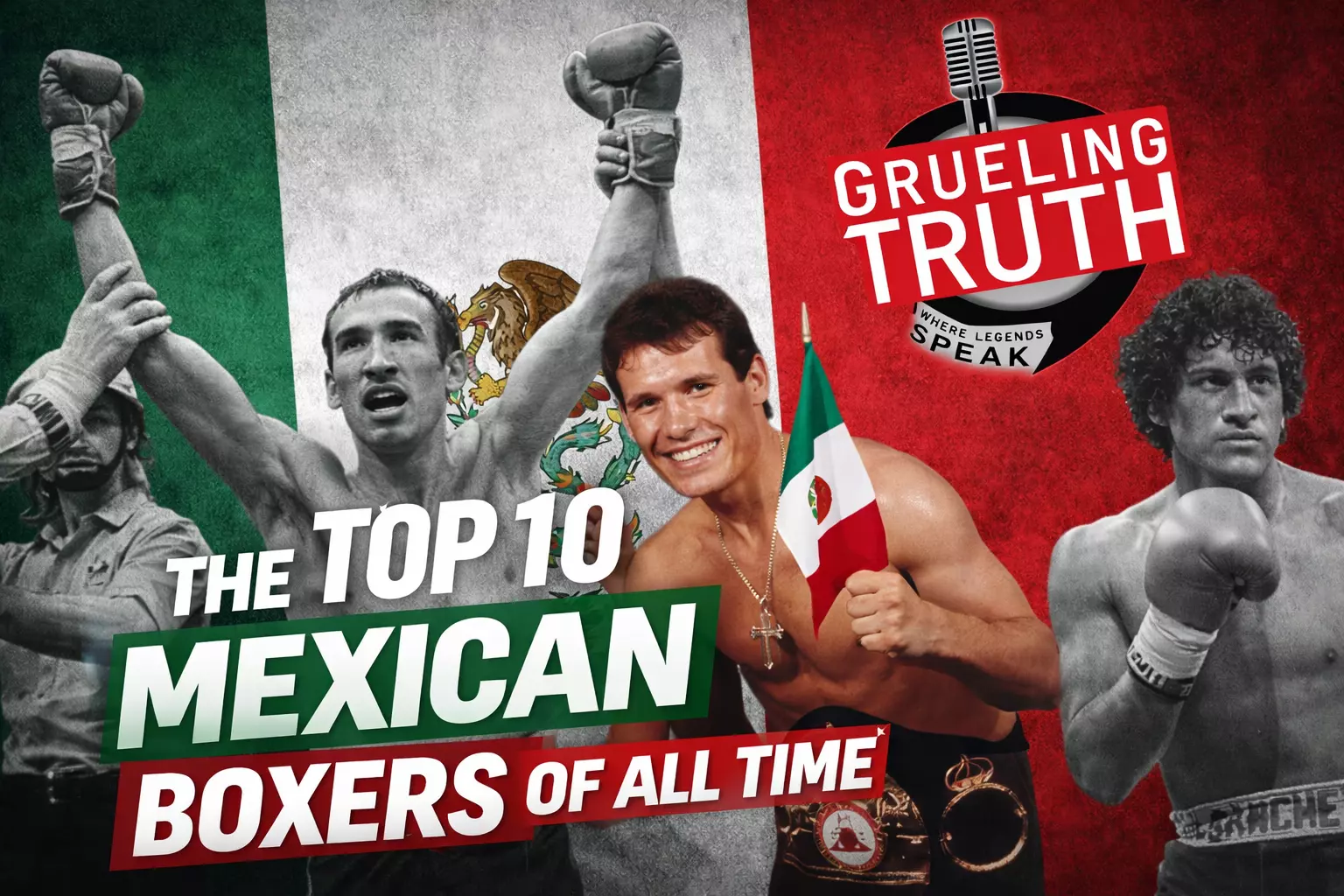
Mexican boxers are often defined by toughness, heart, and relentless pressure—but that stereotype only tells part of the story. Mexico has also produced some of the most intelligent, technically sound fighters in boxing history. This list reflects both realities. It includes pressure fighters, counterpunchers, defensive masters, and adaptable tacticians who thrived against elite competition.
Ranking these fighters was extraordinarily difficult. The margins separating them are razor thin, and reasonable minds could reshuffle the order without being wrong.
Active fighters are not eligible, meaning
Canelo Álvarez must wait until his career concludes
to be evaluated properly. Longevity, dominance, quality of opposition, and performance at the highest level were the guiding principles.
Criteria
The criteria are straightforward but demanding:
Quality of opposition
Sustained dominance
Performance in championship fights
Ability to excel against elite competition
Impact on boxing history
This is why fighters like
Ricardo López, despite historic dominance, are difficult to place as high as others who consistently faced elite opposition. Likewise,
Salvador Sánchez, whose career ended tragically at age 24, ranks so highly because his résumé against top competition was already exceptional.
10) Ricardo “El Finito” López
Ricardo López retired undefeated at
51-0-1 (38 KOs)
and remains one of the most technically perfect boxers ever produced by Mexico. A master of balance, footwork, distance control, and punch selection, López made boxing look effortless. He held the WBC minimumweight title for seven years, making
21 successful title defenses, a record that still stands in the division.
What separates López from many undefeated champions is not just the numbers, but the
clarity
of his dominance. He neutralized opponents completely—rarely absorbing punishment, never being dropped, and consistently dictating pace. His body punching was surgical, his jab disciplined, and his composure unwavering.
However, López’s placement here reflects a legitimate criticism:
level of competition. The minimumweight division during his prime lacked depth, and López chose not to move up in weight where superfights could have cemented an even greater legacy. Fighters like Michael Carbajal or Humberto González—possible dream matchups—never happened.
That said, perfection matters. López may not have faced the deepest field, but no one ever exposed a flaw in his game. He remains the gold standard for technical precision and is arguably the greatest fighter to retire undefeated without controversy.
The Mexican PERFECTION Of Ricardo Lopez
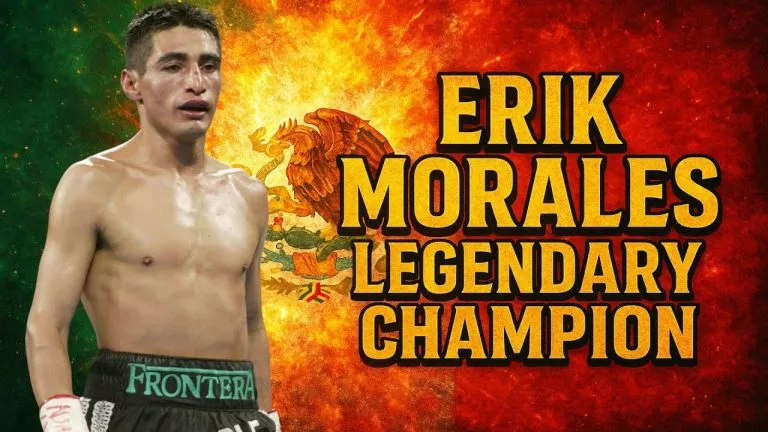
9) Erik “El Terrible” Morales
Erik Morales embodied the ideal blend of Mexican toughness and elite skill. He was the
first Mexican boxer to win world titles in four weight classes, and his résumé is stacked with elite names. Morales defeated
15 world champions, including Marco Antonio Barrera, Daniel Zaragoza, Junior Jones, Kevin Kelley, Paulie Ayala, and famously
Manny Pacquiao
in their first encounter.
Morales’ greatness lies in his willingness to fight
anyone, anywhere, at any time. He never ducked competition and consistently sought the most dangerous opponents available. His trilogy with Barrera defined an era, and his battles with Pacquiao remain among the most iconic fights of the modern era.
Technically, Morales was far more than a brawler. He possessed excellent balance, a stiff jab, underrated body work, and the ability to adjust mid-fight. While he often chose to trade, it was usually a tactical decision rather than recklessness.
Late in his career, weight fluctuations and wars took their toll, but Morales’ prime résumé is undeniable. Few fighters in history have faced—and defeated—such consistently elite competition while maintaining championship success across multiple divisions.
The Legendary Erik Morales
8) Marco Antonio Barrera
Marco Antonio Barrera evolved more dramatically than almost any great fighter in boxing history. Early in his career, Barrera was a fearless pressure fighter willing to trade at will. Later, he reinvented himself into a polished boxer-puncher, capable of neutralizing speed, power, and hype.
His most famous performance came in
2001, when he completely dismantled
Prince Naseem Hamed, exposing technical flaws and arrogance in one of the most dominant big-fight performances ever. Barrera also scored major wins over
Erik Morales (twice), Kennedy McKinney, Kevin Kelley, Paulie Ayala, and Johnny Tapia.
Barrera’s rivalry with Morales produced some of the greatest fights in boxing history, and while opinions differ on their trilogy, Barrera’s ability to adapt and evolve gives him a slight historical edge in versatility.
What makes Barrera special is his ring IQ. He could fight inside or outside, adjust tempo, and neutralize explosive athletes with footwork and positioning. His career longevity across multiple divisions further strengthens his case.
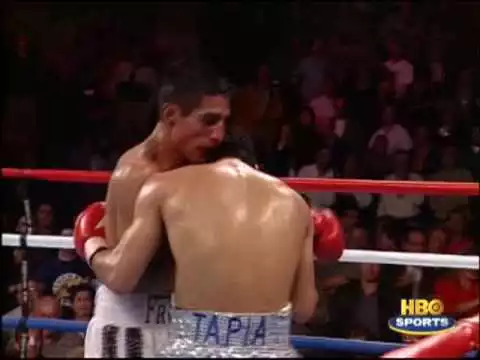
Fights of the Decade: Morales vs. Barrera I (HBO Boxing)
7) Juan Manuel Márquez
Juan Manuel Márquez is one of the most underappreciated all-time greats in boxing history. A master counterpuncher with encyclopedic knowledge of timing and angles, Márquez built his career on intelligence rather than physical dominance.
His
four-fight rivalry with Manny Pacquiao
is legendary. Many observers believe Márquez deserved decisions in at least two of the first three fights, before sealing history with one of boxing’s greatest knockouts in
2012—a perfectly timed right hand that ended the rivalry definitively.
Beyond Pacquiao, Márquez defeated
Marco Antonio Barrera, Juan Díaz, Joel Casamayor, and consistently competed against elite opposition across multiple weight classes. His lone clear defeat to Floyd Mayweather came at
147 pounds, twelve pounds above his natural weight, without a tune-up fight—an indication of the respect Mayweather had for Márquez’s danger.
Márquez’s legacy is built on precision, preparation, and adaptability. He wasn’t the strongest or fastest, but he was often the smartest man in the ring.
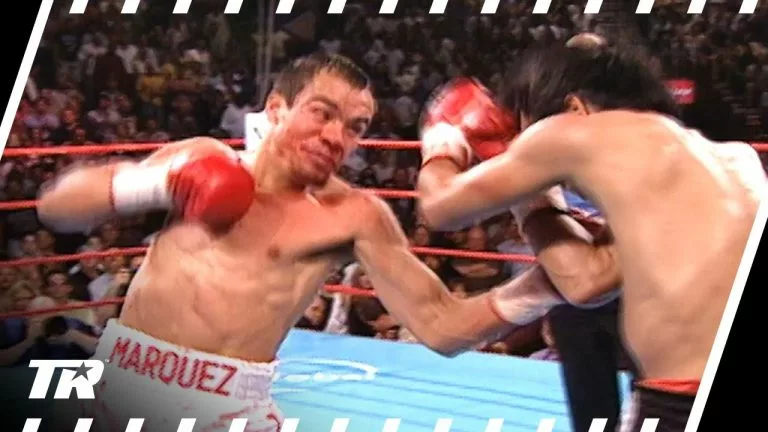
JUAN MANUEL MARQUEZ’S LEGENDARY HIGHLIGHT REEL
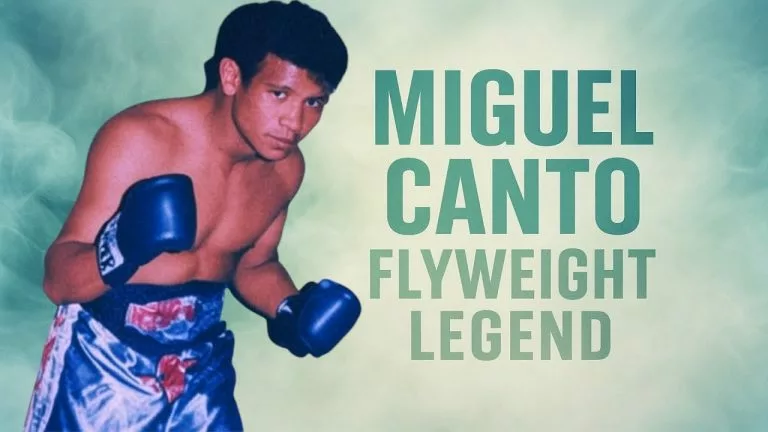
6) Miguel Canto
Miguel Canto is one of the greatest defensive fighters Mexico has ever produced and arguably the most refined flyweight technician in history. He captured the WBC flyweight title in
1975
and successfully defended it
14 times, defeating fighters like
Shoji Oguma, Betulio González, Antonio Avelar, Lupe Madera, and Martín Vargas.
Canto’s style was built on anticipation, positioning, and subtle movement. He absorbed very little punishment, controlled distance beautifully, and made elite fighters look ordinary. His record of
61-9-4
includes just
15 knockouts, but his dominance was never in doubt.
In an era that celebrated aggression, Canto proved that defense and intelligence could rule at the highest level. If this list were based purely on ring generalship and defensive mastery, Canto would rank much higher.
The Incredible Skills of Miguel Canto
5) Vicente Saldivar
Vicente Saldivar’s résumé is astonishing given his relatively short career of
40 professional fights. He defeated elite opponents across multiple continents, including
Mitsunori Seki (twice),
Floyd Robertson,
Howard Winstone (three times),
Ismael Laguna, and
Sugar Ramos.
Saldivar retired as a champion, then returned to defeat two of the greatest featherweights of the era—José Legrá
and
Johnny Famechon—proving his greatness across generations. His ability to dominate top-tier opponents in different styles and environments makes his career one of the most efficient in boxing history.
Few fighters accomplished so much with so few fights.
Vicente Saldivar – Tribute
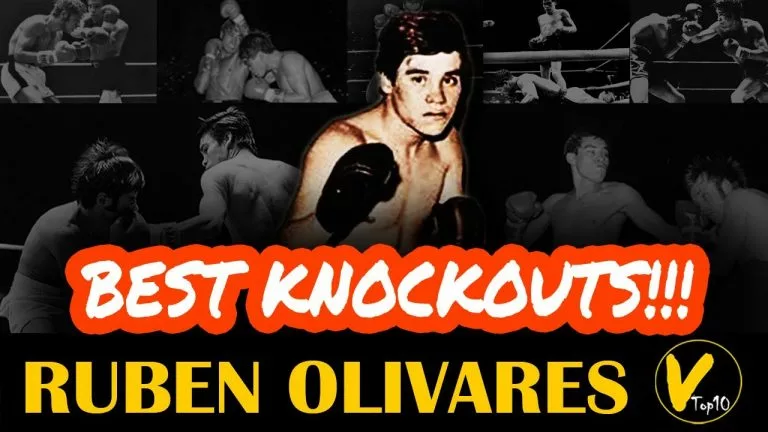
4) Rubén Olivares
Rubén Olivares is widely regarded as one of the greatest bantamweights ever, and his
left hook
is among the most feared punches in boxing history. At his peak, Olivares was virtually unbeatable, going unbeaten in roughly his first
60 professional fights.
Most of his losses came late in his career after personal issues and weight struggles took their toll. Judging Olivares by his final record misses the reality of his prime dominance. He overwhelmed elite opposition with power, aggression, and timing.
At his best, Olivares was terrifying—and his peak ranks among the most dominant stretches by any Mexican fighter.
5 Rubén Olivares Greatest knockouts
3) Carlos Zárate
Carlos Zárate was one of the most destructive punchers the bantamweight division has ever seen. He compiled
23 consecutive knockouts to start his career, later adding another long knockout streak—an almost unheard-of achievement.
His 1977 knockout of
Alfonso Zamora
remains one of the greatest all-Mexican fights ever. Zárate’s first loss came against a prime
Wilfredo Gómez, one of the greatest junior featherweights in history.
Even past his prime, Zárate remained dangerous, proving his power translated beyond youth. He is often underrated internationally, but in Mexico, he is revered as a knockout artist of historic proportions.
The Hardest Hitting KO Artist In Boxing History – Carlos Zarate Breakdown
2) Julio César Chávez
Julio César Chávez defined Mexican boxing for an entire generation. From
1984 through the early 1990s, he was virtually unbeatable, compiling one of the longest unbeaten streaks in boxing history.
His victories over
Edwin Rosario, Roger Mayweather, Tony López, Greg Haugen, and
Meldrick Taylor
showcased his relentless pressure, granite chin, and ferocious body attack. The stoppage of Taylor remains one of the most dramatic finishes in boxing history.
While Chávez’s effectiveness declined after moving beyond
140 pounds, his prime dominance is unquestionable. He wasn’t just winning—he was breaking elite fighters.
The Most FEARED Mexican Fighter In Boxing History! Julio Cesar Chavez
1) Salvador Sánchez
Salvador Sánchez is the greatest Mexican boxer of all time.
Before his tragic death at
age 24, Sánchez defeated
Danny López (twice),
Wilfredo Gómez, and
Azumah Nelson—all Hall of Famers. His ability to adapt, adjust, and outthink elite opponents was extraordinary.
Sánchez was a complete fighter: technical, tough, intelligent, and fearless. He consistently rose to the level of his opposition and was at his best against the very best.
In just a few years, Sánchez accomplished what most fighters never do in a lifetime. His legacy is one of brilliance cut short—but never incomplete.
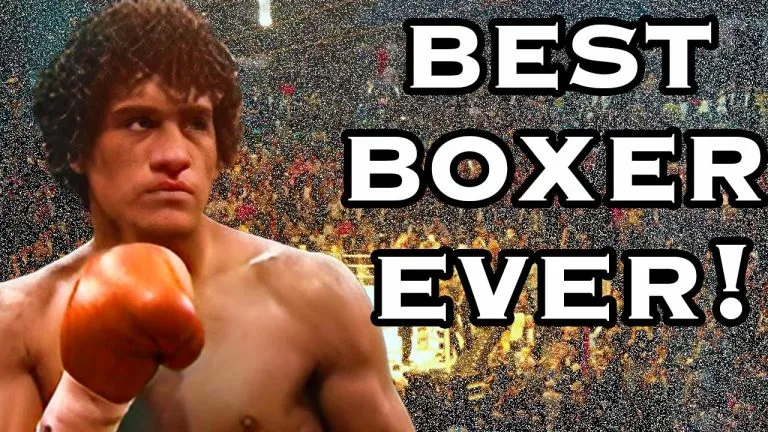
Salvador Sanchez – Greatest Fighter Of All Time!
Honorable Mentions
Rodolfo “Baby” Casanova
Casanova never won a world title but thrived in one of boxing’s toughest eras, compiling
81 wins
against elite opposition. His 1934 bout with Sixto Escobar helped ignite the historic Mexico–Puerto Rico rivalry. Casanova’s influence outweighs his accolades, making him a foundational figure in Mexican boxing history.
Alberto “Baby” Arizmendi
A featherweight world champion who defeated
Henry Armstrong
and competed closely with legends like
Tony Canzoneri
and
Lou Ambers, Arizmendi embodied Mexican resilience and skill. His willingness to face the best, regardless of outcome, earns him enduring respect.
Raúl “Ratón” Macías
One of Mexico’s earliest national boxing heroes, Macías went
41-2 (25 KOs)
and captured the NBA bantamweight title. Though his loss to Alphonse Halimi ended his reign, his impact on Mexican boxing culture remains profound.
Up To $1500 in Bonus Bets Paid Back if your First Bet Does Not Win
T&Cs apply
4.5/5
Gambling problem? Call 1-800-GAMBLER or 1-800-MY-RESET (Available in the US) 877-8-HOPENY or text HOPENY (467369) (NY) 1-800-327-5050 (MA), 1-800-BETS-OFF (IA), 1-800-981-0023 (PR). 21+ only. Please Gamble Responsibly. See BetMGM.com for Terms. First Bet Offer for new customers only (if applicable). Subject to eligibility requirements. Bonus bets are non-withdrawable. In partnership with Kansas Crossing Casino and Hotel. Promotional offers not available in Mississippi, Massachusetts, New York, Ontario, or Puerto Rico.
New DraftKings Customers: Spend $5+ Get $150 in Bonuses
T&Cs apply
4.5/5
GAMBLING PROBLEM? CALL 1-800-GAMBLER or 1-800-MY-RESET, (800) 327-5050 or visit gamblinghelplinema.org (MA). Please Gamble Responsibly. 888-789-7777/visit ccpg.org (CT), or visit www.mdgamblinghelp.org (MD), 1-800-981-0023 (PR). 21+ and present in most states. (18+ DC/NH/PR/WY). Void in CAN. Eligibility restrictions apply. On behalf of Boot Hill Casino (KS). Pass-thru of per wager tax may apply in IL. 1 per new DraftKings customer. $5+ first-time bet req. Max. $150 issued as non-withdrawable Bonus Bets. Stake removed from payout. Reward issued as $50 in Bonus Bets every 7 days via click-to-claim for 14 days. Bonus Bets and click-to-claims expire 7 days (168hrs) after issuance. Terms: sportsbook.draftkings.com/promos. Ends 10/11/26 at 11:59 PM ET. Sponsored by DK.
Must be 21+. GAMBLING PROBLEM? CALL 1-800-GAMBLER OR CALL 1-800-MY-RESET, www.mdgamblinghelp.org (MD), (800)-327-5050 or gamblinghelplinema.org (MA), Call (877)8-HOPENY or text HOPENY (467369) (NY), (888) 789-7777 or ccpg.org (CT), morethanagame.nc.gov (NC), 1800gambler.net (WV)
Bet $1 and get double the winnings up to $25 for your next 10 bets
T&Cs apply
4.4/5
21+ New users only. Must register using eligible promo code. First bet after registration must qualify. Max. Bonus Bet: $1,000. Bonus Bet expires 14 days after receipt. Void where prohibited. See Caesars.com/promos for full terms. Gambling Problem? 1-800-GAMBLER (1-800-426-2537)
21+ and present in OH. Gambling Problem? Call 1-800-GAMBLER.
This site is using
Cloudflare
and adheres to the
Google Safe Browsing Program. We adapted
Google's Privacy Guidelines
to keep your data safe at all times.
Close
Ready to Win Big? Join the Elite with Our Sports Betting Deals!
FanDuel Promo
New Users – Get $250 in Bonus Bets when you wager $5 for 5 days
Up To $1500 in Bonus Bets Paid Back if your First Bet Does Not Win
Best Slots
T&Cs and 21+ apply
Gambling problem? Call 1-800-GAMBLER or 1-800-MY-RESET (Available in the US) 877-8-HOPENY or text HOPENY (467369) (NY) 1-800-327-5050 (MA), 1-800-BETS-OFF (IA), 1-800-981-0023 (PR). 21+ only. Please Gamble Responsibly. See BetMGM.com for Terms. First Bet Offer for new customers only (if applicable). Subject to eligibility requirements. Bonus bets are non-withdrawable. In partnership with Kansas Crossing Casino and Hotel. Promotional offers not available in Mississippi, Massachusetts, New York, Ontario, or Puerto Rico.
Code:
Open BetMGM
Get Bonus
DraftKings Promo
New DraftKings Customers: Spend $5+ Get $150 in Bonuses
Newcomer
T&Cs and 21+ apply
GAMBLING PROBLEM? CALL 1-800-GAMBLER or 1-800-MY-RESET, (800) 327-5050 or visit gamblinghelplinema.org (MA). Please Gamble Responsibly. 888-789-7777/visit ccpg.org (CT), or visit www.mdgamblinghelp.org (MD), 1-800-981-0023 (PR). 21+ and present in most states. (18+ DC/NH/PR/WY). Void in CAN. Eligibility restrictions apply. On behalf of Boot Hill Casino (KS). Pass-thru of per wager tax may apply in IL. 1 per new DraftKings customer. $5+ first-time bet req. Max. $150 issued as non-withdrawable Bonus Bets. Stake removed from payout. Reward issued as $50 in Bonus Bets every 7 days via click-to-claim for 14 days. Bonus Bets and click-to-claims expire 7 days (168hrs) after issuance. Terms: sportsbook.draftkings.com/promos. Ends 10/11/26 at 11:59 PM ET. Sponsored by DK.
Code:
Open DraftKings
Get Bonus
Find out what the legends have to say about sports this week....