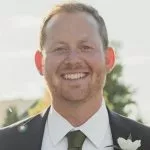
Boxing history is full of fighters whose amateur brilliance never fully carried over to the professional stage. Nick Wells, born February 11, 1951, in Fort Worth, Texas, is one of the most intriguing examples. Standing 5’10” and fighting as a southpaw, Wells packed devastating power and became one of the most feared amateur heavyweights of his era. Most famously, he twice defeated future heavyweight champion
Larry Holmes
in 1972. Yet his professional career never reached the same heights. This is the story of how Olympic heartbreak, bad timing, and questionable management decisions kept Wells from becoming the champion many expected.
Amateur Career: A Dominant Force
Nick Wells began boxing while serving in the U.S. Air Force at Hamilton Air Force Base in California. He quickly rose to prominence, winning
five All-Air Force titles
and the
1972 U.S. Amateur Heavyweight Championship.
That same year, Wells made history by defeating
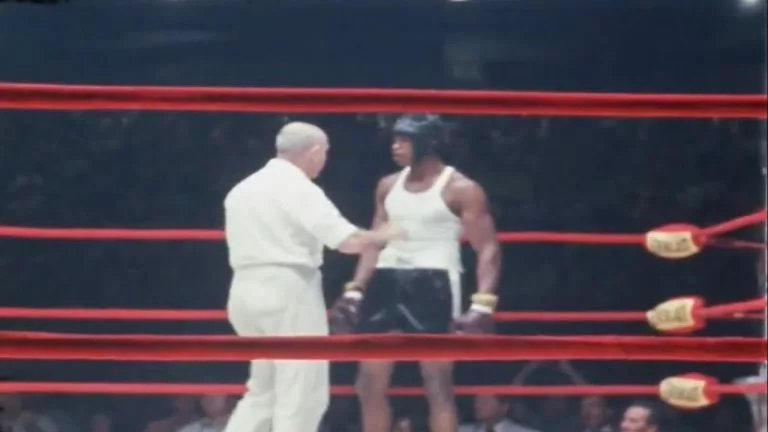
Larry Holmes twice—once in Minneapolis and again in Fort Worth in front of 7,000 fans. The second bout ended in a first-round knockout that Holmes himself later admitted was one of his toughest amateur moments.
His Olympic dream ended when he fought Duane Bobick in the 1972 Trials final. Wells broke Bobick’s nose but suffered a cut over his eye that forced the stoppage.
RARE FIGHT Larry Holmes vs Nick Wells amateur bout July 22, 1972
Career Highlights
Fort Worth Golden Gloves Champion
– 5x
Texas State Heavyweight Champion
– 3x
National AAU Heavyweight Champion
– 1972
World Military Gold Medalist (CISM)
– 1972
Amateur Record
– 189 wins, 18 losses, 110 KOs
Professional Career: Missed Opportunities
Wells turned pro in 1976, but the timing was all wrong. Instead of joining Lou Duva’s camp, he stayed in Fort Worth under local management. He began with
four straight knockouts, but his fifth fight came against veteran Mike Koranicki, who was far more experienced. Wells was stopped, and his momentum vanished.
When matched with stronger opponents like Jeff Simms and Tony Fulilangi, Wells’ flaws appeared. He cut easily, his chin was questionable, and poor management left him in mismatches. By the time he retired in 1983, his record stood at
13 wins, 8 losses.
Why He Fell Short
Several factors contributed to Wells’ struggles in the pros:
Turning Pro Too Late
– Losing four years after the Olympic Trials hurt his momentum.
Durability Issues
– He was prone to cuts and knockdowns.
Poor Management
– Rushed into a 10-round fight too early.
Missed Opportunity
– Declining Lou Duva’s guidance cost him exposure and matchmaking.
Interestingly, his Olympic rival Duane Bobick suffered a similar fate—dominant as an amateur, but flawed as a professional.
Life After Boxing
Wells built a proud second career outside the ring. He spent over
30 years with the Fort Worth Fire Department, working his way up to fire captain. He also worked as a security guard, while building a strong family life with his wife Denise. The couple has two children, Hayley and Nickolas, and three grandsons.
Wells’ post-boxing life shows that true success isn’t measured only by championships, but also by service, family, and community impact.
Conclusion: The Legacy of Nick Wells
Nick Wells’
boxing story is a blend of dazzling highs and frustrating lows. As an amateur, he was nothing short of dominant, handing Larry Holmes two of the toughest defeats of his early career and winning nearly 200 fights. Yet, his professional path never followed the same script, with injuries, poor management, and timing working against him. Still, his legacy is undeniable: a fighter who made his mark on boxing history and later dedicated decades of service to his community. Nick Wells will always be remembered as a symbol of “what might have been,” but also of resilience beyond the ring.
Up To $1500 in Bonus Bets Paid Back if your First Bet Does Not Win
T&Cs apply
4.5/5
Gambling problem? Call 1-800-GAMBLER or 1-800-MY-RESET (Available in the US) 877-8-HOPENY or text HOPENY (467369) (NY) 1-800-327-5050 (MA), 1-800-BETS-OFF (IA), 1-800-981-0023 (PR). 21+ only. Please Gamble Responsibly. See BetMGM.com for Terms. First Bet Offer for new customers only (if applicable). Subject to eligibility requirements. Bonus bets are non-withdrawable. In partnership with Kansas Crossing Casino and Hotel. Promotional offers not available in Mississippi, Massachusetts, New York, Ontario, or Puerto Rico.
New DraftKings Customers: Spend $5+ Get $150 in Bonuses
T&Cs apply
4.5/5
GAMBLING PROBLEM? CALL 1-800-GAMBLER or 1-800-MY-RESET, (800) 327-5050 or visit gamblinghelplinema.org (MA). Please Gamble Responsibly. 888-789-7777/visit ccpg.org (CT), or visit www.mdgamblinghelp.org (MD), 1-800-981-0023 (PR). 21+ and present in most states. (18+ DC/NH/PR/WY). Void in CAN. Eligibility restrictions apply. On behalf of Boot Hill Casino (KS). Pass-thru of per wager tax may apply in IL. 1 per new DraftKings customer. $5+ first-time bet req. Max. $150 issued as non-withdrawable Bonus Bets. Stake removed from payout. Reward issued as $50 in Bonus Bets every 7 days via click-to-claim for 14 days. Bonus Bets and click-to-claims expire 7 days (168hrs) after issuance. Terms: sportsbook.draftkings.com/promos. Ends 10/11/26 at 11:59 PM ET. Sponsored by DK.
Must be 21+. GAMBLING PROBLEM? CALL 1-800-GAMBLER OR CALL 1-800-MY-RESET, www.mdgamblinghelp.org (MD), (800)-327-5050 or gamblinghelplinema.org (MA), Call (877)8-HOPENY or text HOPENY (467369) (NY), (888) 789-7777 or ccpg.org (CT), morethanagame.nc.gov (NC), 1800gambler.net (WV)
Bet $1 and get double the winnings up to $25 for your next 10 bets
T&Cs apply
4.4/5
21+ New users only. Must register using eligible promo code. First bet after registration must qualify. Max. Bonus Bet: $1,000. Bonus Bet expires 14 days after receipt. Void where prohibited. See Caesars.com/promos for full terms. Gambling Problem? 1-800-GAMBLER (1-800-426-2537)
21+ and present in OH. Gambling Problem? Call 1-800-GAMBLER.
This site is using
Cloudflare
and adheres to the
Google Safe Browsing Program. We adapted
Google's Privacy Guidelines
to keep your data safe at all times.
Close
Ready to Win Big? Join the Elite with Our Sports Betting Deals!
FanDuel Promo
New Users – Get $250 in Bonus Bets when you wager $5 for 5 days
Up To $1500 in Bonus Bets Paid Back if your First Bet Does Not Win
Best Slots
T&Cs and 21+ apply
Gambling problem? Call 1-800-GAMBLER or 1-800-MY-RESET (Available in the US) 877-8-HOPENY or text HOPENY (467369) (NY) 1-800-327-5050 (MA), 1-800-BETS-OFF (IA), 1-800-981-0023 (PR). 21+ only. Please Gamble Responsibly. See BetMGM.com for Terms. First Bet Offer for new customers only (if applicable). Subject to eligibility requirements. Bonus bets are non-withdrawable. In partnership with Kansas Crossing Casino and Hotel. Promotional offers not available in Mississippi, Massachusetts, New York, Ontario, or Puerto Rico.
Code:
Open BetMGM
Get Bonus
DraftKings Promo
New DraftKings Customers: Spend $5+ Get $150 in Bonuses
Newcomer
T&Cs and 21+ apply
GAMBLING PROBLEM? CALL 1-800-GAMBLER or 1-800-MY-RESET, (800) 327-5050 or visit gamblinghelplinema.org (MA). Please Gamble Responsibly. 888-789-7777/visit ccpg.org (CT), or visit www.mdgamblinghelp.org (MD), 1-800-981-0023 (PR). 21+ and present in most states. (18+ DC/NH/PR/WY). Void in CAN. Eligibility restrictions apply. On behalf of Boot Hill Casino (KS). Pass-thru of per wager tax may apply in IL. 1 per new DraftKings customer. $5+ first-time bet req. Max. $150 issued as non-withdrawable Bonus Bets. Stake removed from payout. Reward issued as $50 in Bonus Bets every 7 days via click-to-claim for 14 days. Bonus Bets and click-to-claims expire 7 days (168hrs) after issuance. Terms: sportsbook.draftkings.com/promos. Ends 10/11/26 at 11:59 PM ET. Sponsored by DK.
Code:
Open DraftKings
Get Bonus
Find out what the legends have to say about sports this week....