Ken Norton was born on August 9, 1943, in the small town of Jacksonville, Illinois, a rural community where hard work was a way of life. Raised primarily by his mother, Norton came from humble beginnings. His family struggled financially, and the values of discipline and perseverance were instilled in him early on.
At Jacksonville High School, Norton was a phenomenal athlete. He competed in eight events on the track team, prompting the Illinois High School Association to create the “Ken Norton Rule,” which limited athletes to competing in no more than four events at a meet. He also starred as a fullback on the football team, where he was known for his brute strength and punishing style. His athleticism earned him a football scholarship to Northeast Missouri State University, but he struggled academically and dropped out after his freshman year.
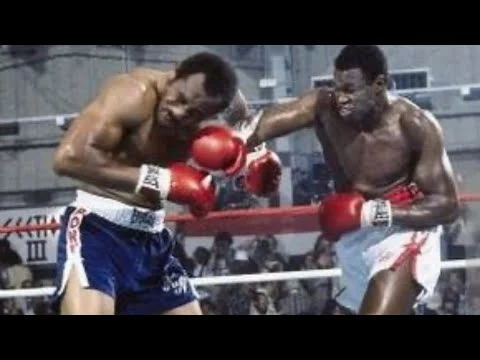
Ken Norton Documentary – Ali’s Kryptonite
Military Transformation: A Boxer is Born
In 1963, Norton enlisted in the United States Marine Corps, a pivotal decision that would shape his future. It was here that Norton was introduced to boxing. The Marines provided structure, discipline, and an environment in which Norton thrived. Under the guidance of military coaches, he developed rapidly as a fighter, compiling an amateur record of 24-2 and winning three All-Marine heavyweight titles.
The Marine Corps was more than a launchpad—it was the crucible where Norton honed the physical and mental toughness that would define his professional boxing career. He once said:
“Everything I became as a man and a fighter, I owe to the Marine Corps.”
Turning Professional: Building a Reputation (1967–1972)
Norton turned pro in 1967 under the management of Bob Biron, who discovered him while Norton was sparring in a San Diego gym. He was trained by Eddie Futch, one of the most respected minds in boxing, who helped refine Norton’s unique style. Norton adopted a cross-arm defense, similar to that of Archie Moore and George Foreman, which allowed him to absorb punches while staying in position to counter.
Despite an early career setback—a 1970 knockout loss to journeyman Jose Luis Garcia—Norton steadily improved, often fighting in Southern California. His chiseled physique and stoic demeanor earned him attention, but he remained under the radar until a life-changing opportunity arose in 1973.
The Ali Breakthrough: March 31, 1973
At 29-1, Norton was considered a fringe contender when he was offered a fight with
Muhammad Ali, who was on the comeback trail after his loss to Joe Frazier and had recently defeated Jerry Quarry and Floyd Patterson.
Most observers gave Norton little chance. The oddsmakers had him as a 7-to-1 underdog. But on fight night in San Diego, Norton stunned the world by not only winning a split decision but breaking Ali’s jaw in the second round. Ali, ever proud, fought the remaining rounds in tremendous pain, but Norton’s aggressive, unorthodox style and punishing body work carried the night.
Norton later described his mindset entering the fight:
“I wasn’t afraid of Ali. I respected him, but I didn’t go in there to lose. I went in there to shock the world.”
That’s exactly what he did.
Ali Trilogy: War, Controversy, and Respect
Their second meeting took place just six months later in September 1973 at The Forum in Inglewood, California. Norton again gave Ali all he could handle, pressing the action and appearing to land the cleaner shots. But this time, the judges narrowly awarded Ali a split decision, a verdict that sparked heavy debate. Many felt Norton had done enough to win.
Their third and final bout was held at Yankee Stadium on September 28, 1976, with Ali defending the WBA and WBC heavyweight titles. The fight was another razor-close contest, with Norton again seeming to outwork Ali and land the more effective punches. Despite this, Ali was awarded a unanimous decision, prompting widespread outrage.
Norton would later express his frustration over the decision but never lost respect for Ali. Their rivalry was forged in blood and built on mutual admiration, eventually blossoming into a close friendship.
Up To $1500 in Bonus Bets Paid Back if your First Bet Does Not Win
Get bonus now
Gambling problem? Call 1-800-GAMBLER or 1-800-MY-RESET (Available in the US) 877-8-HOPENY or text HOPENY (467369) (NY) 1-800-327-5050 (MA), 1-800-BETS-OFF (IA), 1-800-981-0023 (PR). 21+ only. Please Gamble Responsibly. See BetMGM.com for Terms. First Bet Offer for new customers only (if applicable). Subject to eligibility requirements. Bonus bets are non-withdrawable. In partnership with Kansas Crossing Casino and Hotel. Promotional offers not available in Mississippi, Massachusetts, New York, Ontario, or Puerto Rico.
New DraftKings Customers: Spend $5+ Get $150 in Bonuses
Get bonus now
GAMBLING PROBLEM? CALL 1-800-GAMBLER or 1-800-MY-RESET, (800) 327-5050 or visit gamblinghelplinema.org (MA). Please Gamble Responsibly. 888-789-7777/visit ccpg.org (CT), or visit www.mdgamblinghelp.org (MD), 1-800-981-0023 (PR). 21+ and present in most states. (18+ DC/NH/PR/WY). Void in CAN. Eligibility restrictions apply. On behalf of Boot Hill Casino (KS). Pass-thru of per wager tax may apply in IL. 1 per new DraftKings customer. $5+ first-time bet req. Max. $150 issued as non-withdrawable Bonus Bets. Stake removed from payout. Reward issued as $50 in Bonus Bets every 7 days via click-to-claim for 14 days. Bonus Bets and click-to-claims expire 7 days (168hrs) after issuance. Terms: sportsbook.draftkings.com/promos. Ends 10/11/26 at 11:59 PM ET. Sponsored by DK.
Must be 21+. GAMBLING PROBLEM? CALL 1-800-GAMBLER OR CALL 1-800-MY-RESET, www.mdgamblinghelp.org (MD), (800)-327-5050 or gamblinghelplinema.org (MA), Call (877)8-HOPENY or text HOPENY (467369) (NY), (888) 789-7777 or ccpg.org (CT), morethanagame.nc.gov (NC), 1800gambler.net (WV)
Pursuit of the Title and Championship Glory
Although he was denied the title in his trilogy with Ali, Norton remained a top contender. In 1974, he avenged his earlier loss to Jose Luis Garcia with a fifth-round TKO. He then went on to stop Jerry Quarry and obliterate unbeaten prospect Duane Bobick in just one round in 1977.
That year, when Leon Spinks declined to defend his title against Norton (after upsetting Ali), the WBC stripped Spinks and awarded the belt to Norton, who was then the number one contender.
Thus, Ken Norton became WBC Heavyweight Champion by default—though he yearned for a true title-winning fight inside the ring.
The Holmes Classic: June 9, 1978
Norton’s only official title defense came against undefeated
Larry Holmes
in what is still regarded as one of the greatest heavyweight fights of all time. For 15 brutal rounds, the two men traded punches in a classic battle of styles: Norton’s aggression and power vs. Holmes’ jab and fluid movement.
The 15th round is legendary, with both fighters giving everything they had. In the end, Holmes won by split decision, a verdict that was as narrow as they come. Norton had lost the title without ever being knocked out or decisively beaten.
Holmes later said:
“That was the toughest fight of my life. Kenny was a beast in there.”
Larry Holmes vs Ken Norton
Decline and Retirement
After the Holmes fight, Norton’s career declined rapidly. He was knocked out by Earnie Shavers in the first round in 1979—a devastating defeat against one of the hardest punchers in boxing history.
In 1981, he stepped into the ring for the final time, suffering a brutal first-round KO at the hands of Gerry Cooney in Madison Square Garden. Norton retired with a record of:
42 wins
7 losses
1 draw
33 wins by KO
Post-Boxing Life: Tragedy, Resilience, and Fatherhood
Norton’s post-boxing life was marked by both triumph and tragedy. He pursued acting and appeared in several films and television shows, including
Mandingo,
Car Wash, and
Knight Rider. His charisma, deep voice, and imposing frame gave him a unique screen presence.
In 1986, Norton nearly died in a horrific car crash on the Pacific Coast Highway in Los Angeles. He suffered a fractured skull, broken jaw, and severe brain injuries. The accident left him with lasting impairments, including slurred speech and memory issues. But in typical Norton fashion, he fought through a grueling recovery process.
He became a motivational speaker, inspiring audiences with messages about faith, persistence, and overcoming adversity. His 2000 autobiography, “Going the Distance”, gave fans an intimate look into his life, career, and battles outside the ring.
Norton was also a dedicated father. His son, Ken Norton Jr., became a three-time Super Bowl champion and longtime NFL coach. The bond between father and son was strong, with Junior often crediting his father for teaching him toughness and focus.
Legacy and Death
Ken Norton passed away on September 18, 2013, at age 70, after a prolonged battle with heart issues and strokes.
His funeral was attended by boxing royalty, family, Marines, and fans alike. He is remembered not just as a champion, but as a man of dignity, integrity, and resilience.
Norton’s legacy includes:
Hall of Fame Induction (International Boxing Hall of Fame, 1992)
A pivotal role in one of the greatest heavyweight rivalries
One of the only men to ever truly trouble Muhammad Ali
An example of perseverance through injury, injustice, and adversity
Up To $1500 in Bonus Bets Paid Back if your First Bet Does Not Win
USA Players Welcome
Min. Deposit: $5
Open BetMGM
Get bonus now
Gambling problem? Call 1-800-GAMBLER or 1-800-MY-RESET (Available in the US) 877-8-HOPENY or text HOPENY (467369) (NY) 1-800-327-5050 (MA), 1-800-BETS-OFF (IA), 1-800-981-0023 (PR). 21+ only. Please Gamble Responsibly. See BetMGM.com for Terms. First Bet Offer for new customers only (if applicable). Subject to eligibility requirements. Bonus bets are non-withdrawable. In partnership with Kansas Crossing Casino and Hotel. Promotional offers not available in Mississippi, Massachusetts, New York, Ontario, or Puerto Rico.
New DraftKings Customers: Spend $5+ Get $150 in Bonuses
USA Players Welcome
Wagering (WR): New DraftKings Customers: Spend $5+ Get $150 in Bonuses (Paid Over 14 Days)*, Min. Deposit: 5
Open DraftKings
Get bonus now
GAMBLING PROBLEM? CALL 1-800-GAMBLER or 1-800-MY-RESET, (800) 327-5050 or visit gamblinghelplinema.org (MA). Please Gamble Responsibly. 888-789-7777/visit ccpg.org (CT), or visit www.mdgamblinghelp.org (MD), 1-800-981-0023 (PR). 21+ and present in most states. (18+ DC/NH/PR/WY). Void in CAN. Eligibility restrictions apply. On behalf of Boot Hill Casino (KS). Pass-thru of per wager tax may apply in IL. 1 per new DraftKings customer. $5+ first-time bet req. Max. $150 issued as non-withdrawable Bonus Bets. Stake removed from payout. Reward issued as $50 in Bonus Bets every 7 days via click-to-claim for 14 days. Bonus Bets and click-to-claims expire 7 days (168hrs) after issuance. Terms: sportsbook.draftkings.com/promos. Ends 10/11/26 at 11:59 PM ET. Sponsored by DK.
Must be 21+. GAMBLING PROBLEM? CALL 1-800-GAMBLER OR CALL 1-800-MY-RESET, www.mdgamblinghelp.org (MD), (800)-327-5050 or gamblinghelplinema.org (MA), Call (877)8-HOPENY or text HOPENY (467369) (NY), (888) 789-7777 or ccpg.org (CT), morethanagame.nc.gov (NC), 1800gambler.net (WV)
Bet $1 and get double the winnings up to $25 for your next 10 bets
USA Players Welcome
Wagering (WR): 1x Deposit
Best Alternative
Open FanDuel
21+ New users only. Must register using eligible promo code. First bet after registration must qualify. Max. Bonus Bet: $1,000. Bonus Bet expires 14 days after receipt. Void where prohibited. See Caesars.com/promos for full terms. Gambling Problem? 1-800-GAMBLER (1-800-426-2537)
Conclusion: A Fighter’s Fighter
Ken Norton
may not have had the reign of Ali, the punch of Foreman, or the charisma of Frazier, but what he had was something equally rare: heart, humility, and courage. He never ducked a challenge, never made excuses, and fought his way into boxing immortality.
In the pantheon of great heavyweights, Ken Norton stands tall—not just for his victories, but for how he carried himself in defeat.
Up To $1500 in Bonus Bets Paid Back if your First Bet Does Not Win
T&Cs apply
4.5/5
Gambling problem? Call 1-800-GAMBLER or 1-800-MY-RESET (Available in the US) 877-8-HOPENY or text HOPENY (467369) (NY) 1-800-327-5050 (MA), 1-800-BETS-OFF (IA), 1-800-981-0023 (PR). 21+ only. Please Gamble Responsibly. See BetMGM.com for Terms. First Bet Offer for new customers only (if applicable). Subject to eligibility requirements. Bonus bets are non-withdrawable. In partnership with Kansas Crossing Casino and Hotel. Promotional offers not available in Mississippi, Massachusetts, New York, Ontario, or Puerto Rico.
New DraftKings Customers: Spend $5+ Get $150 in Bonuses
T&Cs apply
4.5/5
GAMBLING PROBLEM? CALL 1-800-GAMBLER or 1-800-MY-RESET, (800) 327-5050 or visit gamblinghelplinema.org (MA). Please Gamble Responsibly. 888-789-7777/visit ccpg.org (CT), or visit www.mdgamblinghelp.org (MD), 1-800-981-0023 (PR). 21+ and present in most states. (18+ DC/NH/PR/WY). Void in CAN. Eligibility restrictions apply. On behalf of Boot Hill Casino (KS). Pass-thru of per wager tax may apply in IL. 1 per new DraftKings customer. $5+ first-time bet req. Max. $150 issued as non-withdrawable Bonus Bets. Stake removed from payout. Reward issued as $50 in Bonus Bets every 7 days via click-to-claim for 14 days. Bonus Bets and click-to-claims expire 7 days (168hrs) after issuance. Terms: sportsbook.draftkings.com/promos. Ends 10/11/26 at 11:59 PM ET. Sponsored by DK.
Must be 21+. GAMBLING PROBLEM? CALL 1-800-GAMBLER OR CALL 1-800-MY-RESET, www.mdgamblinghelp.org (MD), (800)-327-5050 or gamblinghelplinema.org (MA), Call (877)8-HOPENY or text HOPENY (467369) (NY), (888) 789-7777 or ccpg.org (CT), morethanagame.nc.gov (NC), 1800gambler.net (WV)
Bet $1 and get double the winnings up to $25 for your next 10 bets
T&Cs apply
4.4/5
21+ New users only. Must register using eligible promo code. First bet after registration must qualify. Max. Bonus Bet: $1,000. Bonus Bet expires 14 days after receipt. Void where prohibited. See Caesars.com/promos for full terms. Gambling Problem? 1-800-GAMBLER (1-800-426-2537)
21+ and present in OH. Gambling Problem? Call 1-800-GAMBLER.
This site is using
Cloudflare
and adheres to the
Google Safe Browsing Program. We adapted
Google's Privacy Guidelines
to keep your data safe at all times.
Close
Ready to Win Big? Join the Elite with Our Sports Betting Deals!
FanDuel Promo
New Users – Get $250 in Bonus Bets when you wager $5 for 5 days
Up To $1500 in Bonus Bets Paid Back if your First Bet Does Not Win
Best Slots
T&Cs and 21+ apply
Gambling problem? Call 1-800-GAMBLER or 1-800-MY-RESET (Available in the US) 877-8-HOPENY or text HOPENY (467369) (NY) 1-800-327-5050 (MA), 1-800-BETS-OFF (IA), 1-800-981-0023 (PR). 21+ only. Please Gamble Responsibly. See BetMGM.com for Terms. First Bet Offer for new customers only (if applicable). Subject to eligibility requirements. Bonus bets are non-withdrawable. In partnership with Kansas Crossing Casino and Hotel. Promotional offers not available in Mississippi, Massachusetts, New York, Ontario, or Puerto Rico.
Code:
Open BetMGM
Get Bonus
DraftKings Promo
New DraftKings Customers: Spend $5+ Get $150 in Bonuses
Newcomer
T&Cs and 21+ apply
GAMBLING PROBLEM? CALL 1-800-GAMBLER or 1-800-MY-RESET, (800) 327-5050 or visit gamblinghelplinema.org (MA). Please Gamble Responsibly. 888-789-7777/visit ccpg.org (CT), or visit www.mdgamblinghelp.org (MD), 1-800-981-0023 (PR). 21+ and present in most states. (18+ DC/NH/PR/WY). Void in CAN. Eligibility restrictions apply. On behalf of Boot Hill Casino (KS). Pass-thru of per wager tax may apply in IL. 1 per new DraftKings customer. $5+ first-time bet req. Max. $150 issued as non-withdrawable Bonus Bets. Stake removed from payout. Reward issued as $50 in Bonus Bets every 7 days via click-to-claim for 14 days. Bonus Bets and click-to-claims expire 7 days (168hrs) after issuance. Terms: sportsbook.draftkings.com/promos. Ends 10/11/26 at 11:59 PM ET. Sponsored by DK.
Code:
Open DraftKings
Get Bonus
Find out what the legends have to say about sports this week....