Pinch hitting is one of the most difficult jobs in baseball. A pinch hitter is asked to step off the bench—often cold—into the most high-pressure situations imaginable. There is no rhythm, no previous at-bats to read the pitcher, and frequently the game is on the line. It takes a rare type of hitter to succeed in that role consistently.
The greatest pinch hitters in Major League Baseball history share several traits: patience, preparation, and an uncanny ability to deliver clutch hits in crucial moments. Some of them were former stars extending their careers in specialized roles, while others built their reputations almost entirely on their ability to deliver from the bench.
These players mastered one of baseball’s toughest roles and turned it into an art form. Here are the
10 greatest pinch hitters in MLB history.
10) Harold Baines
Harold Baines was known throughout his career as one of the most professional and fundamentally sound hitters in Major League Baseball. Over a career that spanned more than two decades, Baines accumulated over
2,800 hits and 384 home runs, eventually earning induction into the Baseball Hall of Fame. While much of his career was spent as a designated hitter and everyday player, Baines also proved extremely effective when called upon as a pinch hitter.
In
276 pinch-hit plate appearances, Baines posted a remarkable
.316 batting average, along with a
.380 on-base percentage
and
.480 slugging percentage. Those numbers are exceptional considering the difficulty of coming off the bench without prior at-bats in the game.
Baines’ calm demeanor and disciplined approach at the plate made him particularly dangerous in late-game situations. He rarely chased bad pitches and had the ability to drive the ball to all fields. His smooth left-handed swing allowed him to generate consistent contact even when facing elite relief pitchers.
Managers trusted Baines in clutch situations because he was capable of producing professional at-bats under pressure. His success as a pinch hitter demonstrated his remarkable hitting ability and baseball intelligence.
Harold Baines’ final Major League home run
9) Dave Hansen
Dave Hansen built a reputation as one of the most dependable pinch hitters of the 1990s. Spending the majority of his career with the
Los Angeles Dodgers, Hansen developed into one of the most reliable bats off the bench in Major League Baseball.
From
1991 to 2000, Hansen appeared in
423 pinch-hit situations, producing an impressive slash line of
.281/.388/.433
(batting average/on-base percentage/slugging percentage). His ability to draw walks and get on base made him especially valuable late in games when a team needed a baserunner to spark a rally.
One of Hansen’s most remarkable seasons came in
2000, when he set the single-season record with
seven pinch-hit home runs. That record highlighted his ability not only to make contact but also to deliver game-changing power from the bench.
Hansen ranks among the all-time leaders in
pinch-hit appearances and hits, reflecting his longevity and reliability in the role. His approach at the plate was patient and disciplined, allowing him to work counts and wait for pitches he could drive.
Few players in baseball history were as consistently effective in the pinch-hitting role as Dave Hansen.
FLA@CHC: Hansen breaks up no-hitter in 9th
8) Merv Rettenmund
Merv Rettenmund may not be one of the most famous names in baseball history, but his success as a pinch hitter made him one of the most valuable bench players of his era. Rettenmund played for several teams during his career, including the Orioles, Reds, and Padres, but he became especially known for his ability to deliver quality at-bats late in games.
Rettenmund’s greatest strength was his
exceptional plate discipline. As a pinch hitter, he posted a
.422 on-base percentage, which ranks
first all-time among players with at least 200 pinch-hit opportunities. His ability to recognize pitches and draw walks made him a nightmare for opposing pitchers.
In
1977, Rettenmund displayed his incredible patience by drawing
16 pinch-hit walks, contributing to a remarkable
.463 on-base percentage
in those situations.
While he did not possess overwhelming power, Rettenmund was a skilled contact hitter who understood the importance of
situational hitting. He frequently came through in clutch moments by extending innings or driving in key runs.
His combination of patience, discipline, and situational awareness made him one of the most effective pinch hitters of the 1970s.
1970 WS Gm5: Rettenmund hits opposite-field solo shot
7) Willie McCovey
Willie McCovey is widely remembered as one of the most powerful hitters in baseball history. The Hall of Fame slugger spent most of his career with the
San Francisco Giants, where he hit
521 career home runs
and established himself as one of the most feared left-handed hitters of his generation.
While McCovey was primarily an everyday star, he also proved extremely dangerous when coming off the bench. During his career, he hit
16 pinch-hit home runs, including a record-tying
three pinch-hit grand slams.
Even in limited pinch-hit opportunities, McCovey maintained incredible offensive production. His
.490 slugging percentage and .848 OPS
in pinch-hit situations rank among the best in baseball history for players with significant opportunities.
What made McCovey so effective as a pinch hitter was his ability to change the game with one swing of the bat. Opposing managers often feared bringing in relief pitchers against him because he had the power to instantly alter the outcome of the game.
Few players possessed the combination of power and clutch ability that McCovey displayed throughout his career.
Willie McCovey hits a pinch-hit, walk-off double
6) Matt Stairs
Matt Stairs holds one of the most famous records in baseball history:
the most pinch-hit home runs ever, with
23. The Canadian slugger carved out a long Major League career largely because of his ability to deliver big hits off the bench.
Over his career, Stairs hit
265 home runs, but a remarkable portion of them came as a pinch hitter. His ability to generate power even without regular playing time made him a unique and dangerous weapon for managers late in games.
One of Stairs’ most memorable moments came during the
2008 National League Championship Series
while playing for the Philadelphia Phillies. In Game 4 against the Los Angeles Dodgers, Stairs launched a towering
two-run pinch-hit home run
into the right-field bleachers that helped propel the Phillies toward the World Series.
Stairs’ aggressive approach at the plate allowed him to attack pitches early in the count, often catching pitchers off guard. Even late in his career—between ages 38 and 42—he continued to deliver clutch pinch-hit home runs.
His remarkable power from the bench makes him one of the greatest pinch hitters ever.
SD@MIL: Stairs homers, becomes all-time PH homer king
5) Jerry Lynch
Jerry Lynch was one of the pioneers of pinch hitting as a specialized role. During the late 1950s and early 1960s, Lynch became famous for his ability to deliver clutch hits off the bench for the
Cincinnati Reds.
His most impressive season came in
1961, when he produced one of the greatest pinch-hitting campaigns in baseball history. In just
59 plate appearances, Lynch hit
.404 with a .525 on-base percentage and an astonishing .851 slugging percentage.
During that incredible stretch, Lynch recorded
five home runs and 25 RBI, helping the Reds capture the
National League pennant
that season.
Lynch possessed exceptional power for a pinch hitter and frequently delivered game-changing hits late in games. His ability to drive in runs made him one of the most dangerous bench players of his era.
Managers relied on Lynch in the most important moments because he had a proven track record of coming through in pressure situations.
The Complete 1961 Cincinnati Reds Yearbook
4) Manny Mota
Manny Mota was the gold standard for pinch hitters for decades. Playing primarily for the
Los Angeles Dodgers, Mota became one of the most reliable bench hitters in Major League history.
For more than
20 years, Mota held the
all-time record for career pinch hits, a testament to his incredible consistency. He finished his career with
150 pinch hits, a record that stood until Lenny Harris eventually surpassed it.
Mota’s success came from his exceptional contact hitting ability. As a pinch hitter, he compiled a remarkable
.300 batting average, which remains the highest average among players with at least
350 pinch-hit opportunities.
During the
1970s, Mota was particularly dominant, hitting
.327 as a pinch hitter. His ability to put the ball in play made him extremely valuable in late-game situations when a team needed a base hit to spark a rally.
Few players embraced the pinch-hitting role as completely as Mota, and his longevity and consistency make him one of the greatest bench hitters ever.
NLCS Gm2: Manny Mota throws out the first pitch
3) Smokey Burgess
Smokey Burgess was one of the most productive pinch hitters in baseball history, particularly when it came to driving in runs. Over his career, Burgess recorded
146 pinch-hit RBI, which remains
31 more than any other player in MLB history.
Originally a catcher, Burgess transitioned into a pinch-hitting specialist later in his career. His ability to deliver clutch hits made him an invaluable asset to several teams, including the Pittsburgh Pirates.
One of his best seasons came in
1965, when he drove in
24 runs as a pinch hitter, just one shy of the single-season record.
Burgess also held the
career record for pinch hits with 145
when he retired in 1967. His ability to consistently produce offense in limited opportunities was remarkable.
His calm approach and strong contact skills allowed him to succeed in situations where many hitters struggled.
1961 Baseball – 221555-37 | Footage Farm Sports
2) Cliff Johnson
Cliff Johnson was one of the most powerful pinch hitters in baseball history. During his career from
1972 to 1986, Johnson developed a reputation as a dangerous slugger capable of changing the game with one swing.
Johnson’s
.876 OPS in pinch-hit situations
remains one of the best ever recorded for players with at least
300 pinch-hit appearances.
His greatest strength was power. Johnson hit
20 pinch-hit home runs, which stood as the Major League record for
24 years
after his retirement.
Managers often saved Johnson for the biggest moments of the game because he had the ability to deliver extra-base hits against elite relief pitchers.
Johnson’s blend of patience and power made him one of the most feared bench hitters of his generation.
September 4, 1977-Cliff Johnson hits Grand Slam for Yankees (WPIX Clip)
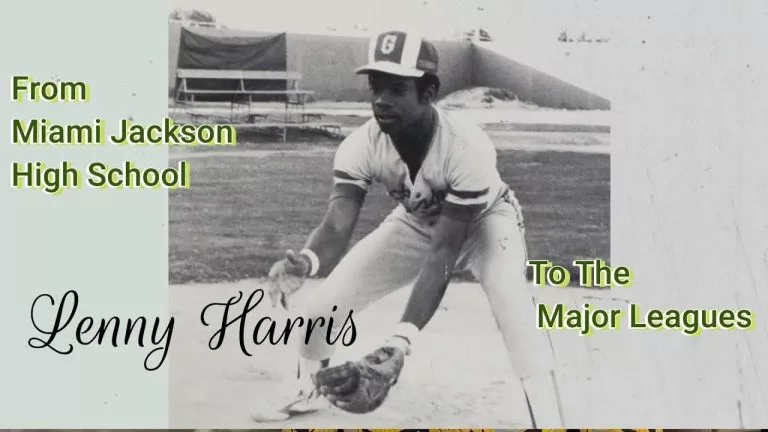
1) Lenny Harris
Lenny Harris stands alone as the greatest pinch hitter in
Major League Baseball history. Over his
18-year career, Harris became the ultimate bench weapon, building a reputation for delivering clutch hits in critical moments.
Harris holds the
all-time record for career pinch hits with 212, surpassing Manny Mota in 2001.
Despite never receiving more than
333 plate appearances in a season, Harris carved out a long career because of his incredible reliability in pinch-hit situations.
His versatility also allowed him to play multiple defensive positions, which made him even more valuable as a bench player.
On
October 7, 2001, Harris recorded his
151st pinch hit, breaking Mota’s long-standing record.
Harris’ longevity, consistency, and ability to deliver in pressure situations make him the undisputed king of pinch hitters.
New Users – Get $350 in Bonus Bets when you wager $5 for 7 days
T&Cs apply
4.6/5
Gambling Problem? Call 1-800-GAMBLER or 1-800-MY-RESET. Call 1-888-789-7777 or visit ccpgg.org/chat (CT). Hope is here. GamblingHelpLineMA.org or call (800) 327-5050 for 24/7 support (MA). Visit www.mdgamblinghelp.org (MD). Call 1-877-8HOPE-NY or text HOPENY (NY). 21+ (18+ DC, WY) and present in select states (for KS, in affiliation with Kansas Star Casino). Find online real money wagering only. Min $5 wager required for 7 consecutive days. $5 free play credit. Bonus issued as non-withdrawable bonus with cash withdrawable bonus with cash withdrawable. Bonus bets which expire 7 days after receipt. Restrictions apply. See terms at sportsbook.fanduel.com. Call 1-877-770-7867 (LA).
Up To $1500 in Bonus Bets Paid Back if your First Bet Does Not Win
T&Cs apply
4.5/5
Gambling problem? Call 1-800-GAMBLER or 1-800-MY-RESET (Available in the US) 877-8-HOPENY or text HOPENY (467369) (NY) 1-800-327-5050 (MA), 1-800-BETS-OFF (IA), 1-800-981-0023 (PR). 21+ only. Please Gamble Responsibly. See BetMGM.com for Terms. First Bet Offer for new customers only (if applicable). Subject to eligibility requirements. Bonus bets are non-withdrawable. In partnership with Kansas Crossing Casino and Hotel. Promotional offers not available in Mississippi, Massachusetts, New York, Ontario, or Puerto Rico.
New DraftKings Customers: Bet $5, Get $200 + 3 Months of NBA League Pass!
T&Cs apply
4.5/5
GAMBLING PROBLEM? CALL 1-800-GAMBLER or 1-800-MY-RESET, (800) 327-5050 or visit gamblinghelplinema.org (MA). Please Gamble Responsibly. 888-789-7777/visit ccpg.org (CT), or visit www.mdgamblinghelp.org (MD), 1-800-981-0023 (PR). 21+ and present in most states. (18+ DC/NH/PR/WY). Void in CAN. Eligibility restrictions apply. On behalf of Boot Hill Casino (KS). Pass-thru of per wager tax may apply in IL. 1 per new Sportsbook customer. $5+ first-time bet req. Max. $200 issued as non-withdrawable Bonus Bets. Stake removed from payout. Reward issued as $50 in Bonus Bets every 7 days via click-to-claim for 21 days. Bonus Bets and click-to-claims expire 7 days (168hrs) after issuance. Terms: dkng.co/offer. Get 1 promo code to redeem a 3-month NBA League Pass subscription, complimentary of DraftKings. Subscription auto-renews monthly at then-current price (currently $16.99/mo); cancel anytime. Terms, restrictions, and eligibility requirements apply. Redeem League Pass by 12/19/26 at 11:59 PM ET. Addt’l terms: support.watch.nba.com/hc/en-us/articles/9165532876183-League-Pass-Terms-of-Use_. Ends 11/29/26 at 11:59 PM ET. Sponsored by DK.
Must be 21+. GAMBLING PROBLEM? CALL 1-800-GAMBLER OR CALL 1-800-MY-RESET, www.mdgamblinghelp.org (MD), (800)-327-5050 or gamblinghelplinema.org (MA), Call (877)8-HOPENY or text HOPENY (467369) (NY), (888) 789-7777 or ccpg.org (CT), morethanagame.nc.gov (NC), 1800gambler.net (WV)
Bet $1 and get double the winnings up to $25 for your next 10 bets
T&Cs apply
4.4/5
21+ New users only. Must register using eligible promo code. First bet after registration must qualify. Max. Bonus Bet: $1,000. Bonus Bet expires 14 days after receipt. Void where prohibited. See Caesars.com/promos for full terms. Gambling Problem? 1-800-GAMBLER (1-800-426-2537)
21+ and present in OH. Gambling Problem? Call 1-800-GAMBLER.
This site is using
Cloudflare
and adheres to the
Google Safe Browsing Program. We adapted
Google's Privacy Guidelines
to keep your data safe at all times.
Close
Ready to Win Big? Join the Elite with Our Sports Betting Deals!
FanDuel Promo
New Users – Get $350 in Bonus Bets when you wager $5 for 7 days
Our Favorite
T&Cs and 21+ apply
Gambling Problem? Call 1-800-GAMBLER or 1-800-MY-RESET. Call 1-888-789-7777 or visit ccpgg.org/chat (CT). Hope is here. GamblingHelpLineMA.org or call (800) 327-5050 for 24/7 support (MA). Visit www.mdgamblinghelp.org (MD). Call 1-877-8HOPE-NY or text HOPENY (NY). 21+ (18+ DC, WY) and present in select states (for KS, in affiliation with Kansas Star Casino). Find online real money wagering only. Min $5 wager required for 7 consecutive days. $5 free play credit. Bonus issued as non-withdrawable bonus with cash withdrawable bonus with cash withdrawable. Bonus bets which expire 7 days after receipt. Restrictions apply. See terms at sportsbook.fanduel.com. Call 1-877-770-7867 (LA).
Code:
Open FanDuel
Get Bonus
BetMGM Promo
Up To $1500 in Bonus Bets Paid Back if your First Bet Does Not Win
Best Slots
T&Cs and 21+ apply
Gambling problem? Call 1-800-GAMBLER or 1-800-MY-RESET (Available in the US) 877-8-HOPENY or text HOPENY (467369) (NY) 1-800-327-5050 (MA), 1-800-BETS-OFF (IA), 1-800-981-0023 (PR). 21+ only. Please Gamble Responsibly. See BetMGM.com for Terms. First Bet Offer for new customers only (if applicable). Subject to eligibility requirements. Bonus bets are non-withdrawable. In partnership with Kansas Crossing Casino and Hotel. Promotional offers not available in Mississippi, Massachusetts, New York, Ontario, or Puerto Rico.
Code:
Open BetMGM
Get Bonus
DraftKings Promo
New DraftKings Customers: Bet $5, Get $200 + 3 Months of NBA League Pass!
Newcomer
T&Cs and 21+ apply
GAMBLING PROBLEM? CALL 1-800-GAMBLER or 1-800-MY-RESET, (800) 327-5050 or visit gamblinghelplinema.org (MA). Please Gamble Responsibly. 888-789-7777/visit ccpg.org (CT), or visit www.mdgamblinghelp.org (MD), 1-800-981-0023 (PR). 21+ and present in most states. (18+ DC/NH/PR/WY). Void in CAN. Eligibility restrictions apply. On behalf of Boot Hill Casino (KS). Pass-thru of per wager tax may apply in IL. 1 per new Sportsbook customer. $5+ first-time bet req. Max. $200 issued as non-withdrawable Bonus Bets. Stake removed from payout. Reward issued as $50 in Bonus Bets every 7 days via click-to-claim for 21 days. Bonus Bets and click-to-claims expire 7 days (168hrs) after issuance. Terms: dkng.co/offer. Get 1 promo code to redeem a 3-month NBA League Pass subscription, complimentary of DraftKings. Subscription auto-renews monthly at then-current price (currently $16.99/mo); cancel anytime. Terms, restrictions, and eligibility requirements apply. Redeem League Pass by 12/19/26 at 11:59 PM ET. Addt’l terms: support.watch.nba.com/hc/en-us/articles/9165532876183-League-Pass-Terms-of-Use_. Ends 11/29/26 at 11:59 PM ET. Sponsored by DK.
Code:
Open DraftKings
Get Bonus
Find out what the legends have to say about sports this week....
New Users – Get $350 in Bonus Bets when you wager $5 for 7 days
Gambling Problem? Call 1-800-GAMBLER or 1-800-MY-RESET. Call 1-888-789-7777 or visit ccpgg.org/chat (CT). Hope is here. GamblingHelpLineMA.org or call (800) 327-5050 for 24/7 support (MA). Visit www.mdgamblinghelp.org (MD). Call 1-877-8HOPE-NY or text HOPENY (NY). 21+ (18+ DC, WY) and present in select states (for KS, in affiliation with Kansas Star Casino). Find online real money wagering only. Min $5 wager required for 7 consecutive days. $5 free play credit. Bonus issued as non-withdrawable bonus with cash withdrawable bonus with cash withdrawable. Bonus bets which expire 7 days after receipt. Restrictions apply. See terms at sportsbook.fanduel.com. Call 1-877-770-7867 (LA).